 English
 русский
 Español

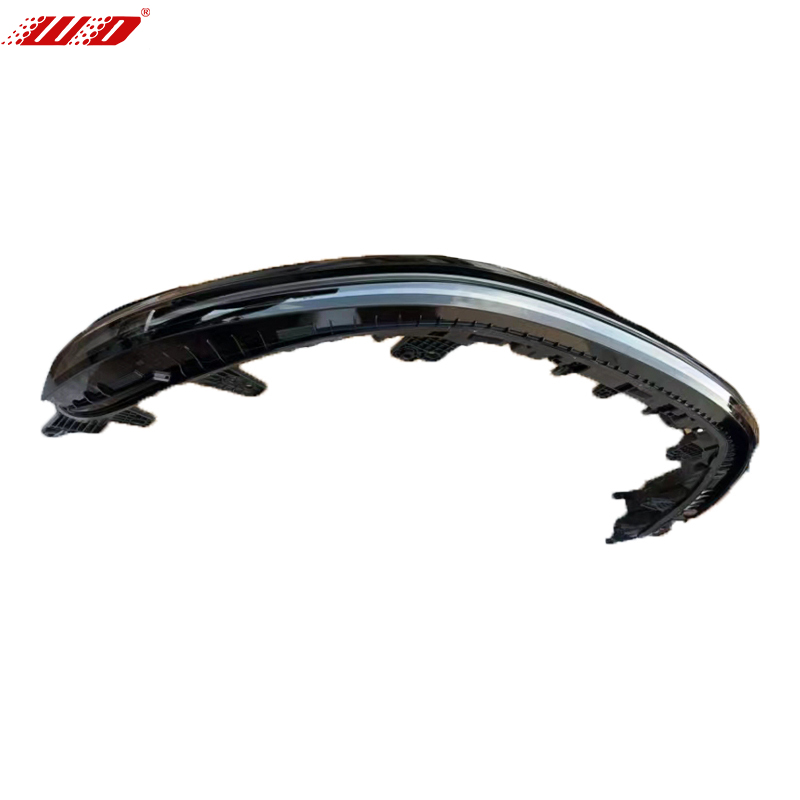
A workshop intake sheet for a 2024 Li Auto L6 with a cracked front bumper, a snapped headlight bracket and a bent lower control arm already contains three part numbers from three different systems of the same car. The counter's job is to decide which system each request belongs to, then add the three attributes that decide fit: side, model year and configuration. That structure is what separates a one-call order from a return.
The short version first: a passenger car is organised into five functional groups, and every serviceable part number — tens of thousands of them on a modern vehicle — belongs to one of those five.
Content
- 1 The five basic groups and what each one actually does
- 2 Three load paths that explain most part choices
- 3 Comparing the groups on wear, interval and sourcing risk
- 4 The hidden metric: where unplanned workshop visits come from
- 5 How demand splits across the aftermarket
- 6 Six steps to identify the right part before you order
- 7 Maintenance and compliance points worth building into the process
Five groups, three attributes, one answer
- Body and exterior
- Chassis and running gear
- Powertrain
- Electrical and electronics
- Consumables and maintenance items
Pin the group, then add left or right, model year and trim level. Most wrong-part orders fail on one of those three attributes, not on the group.
The five basic groups and what each one actually does
Each group has a distinct function, a distinct failure pattern and a distinct sourcing risk. Treating them as one pile of "car parts" is where estimating and ordering start to drift.
Body and exterior
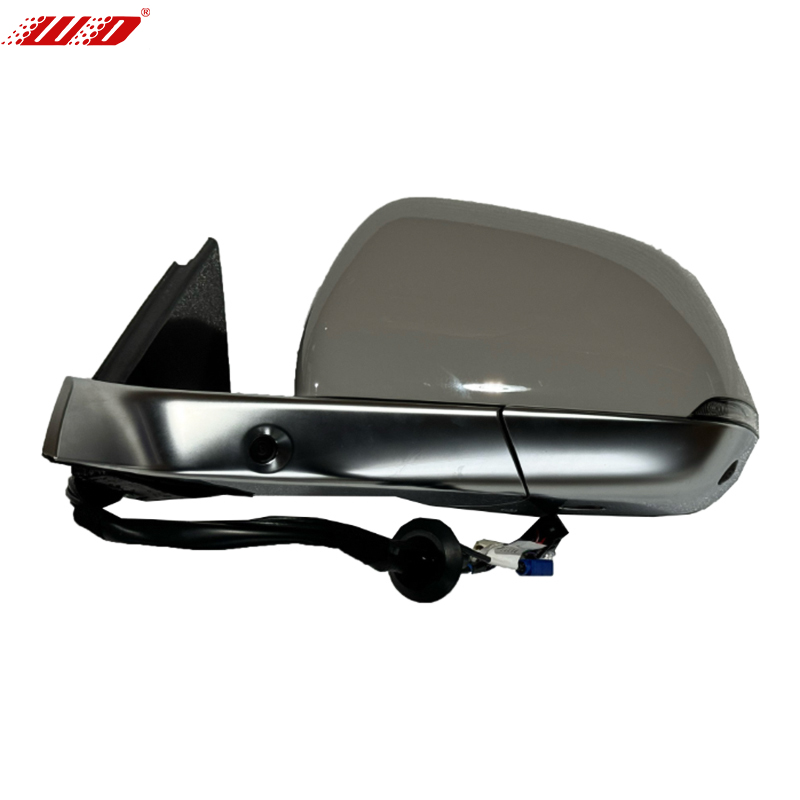
Bumper covers, grilles, hoods, doors, fenders, tailgates, glass and mirrors. This group sets appearance, manages airflow and forms the first stage of crash energy absorption.
Chassis and running gear
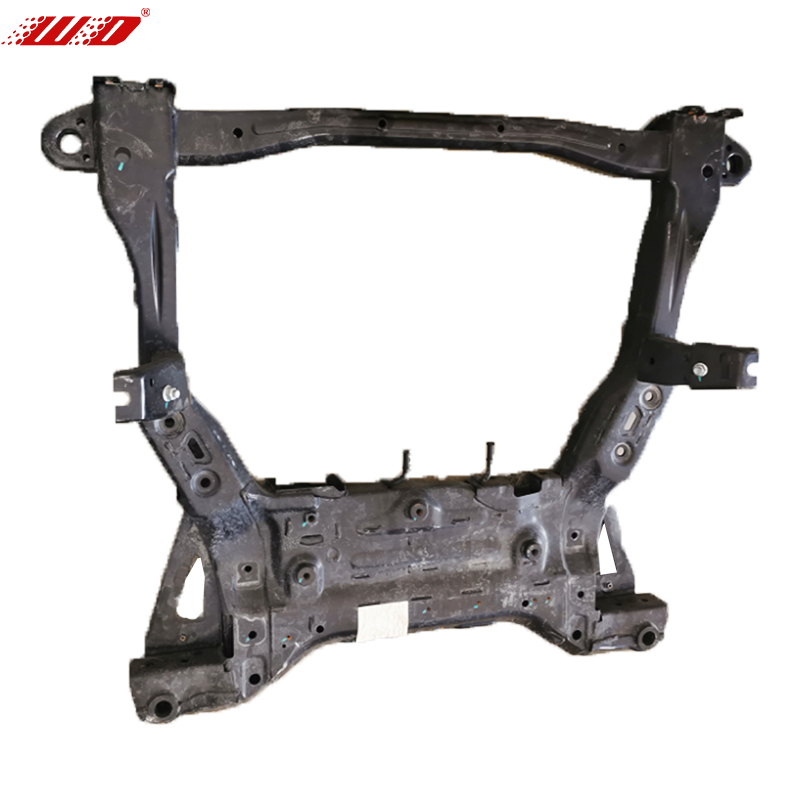
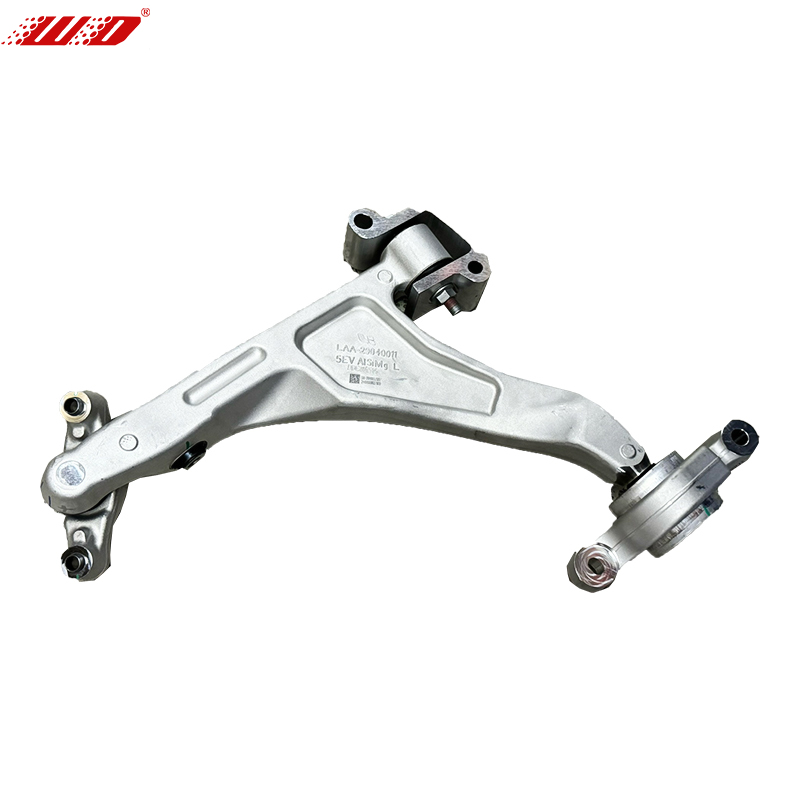
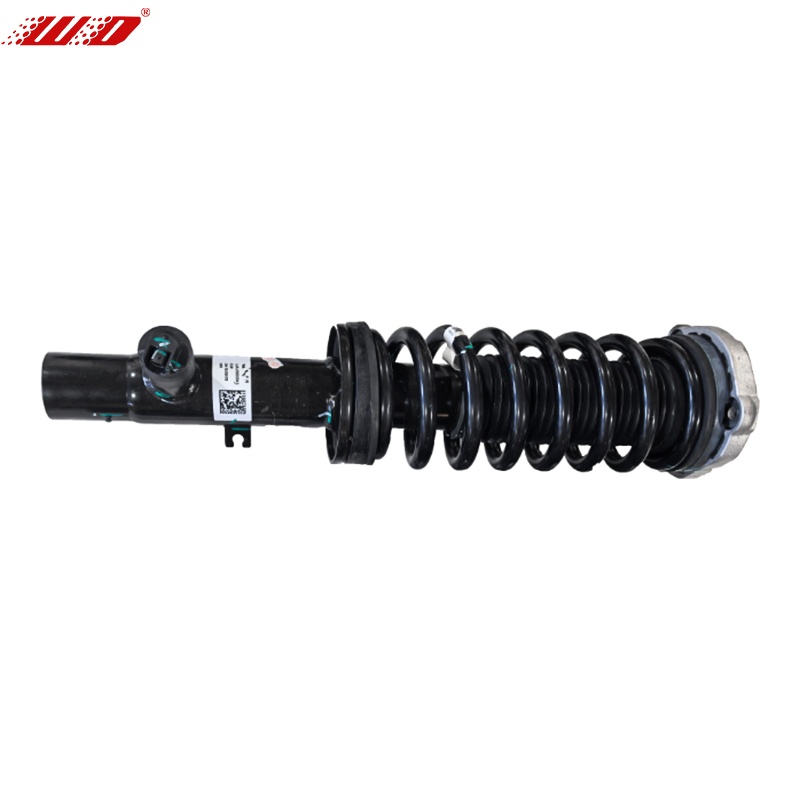
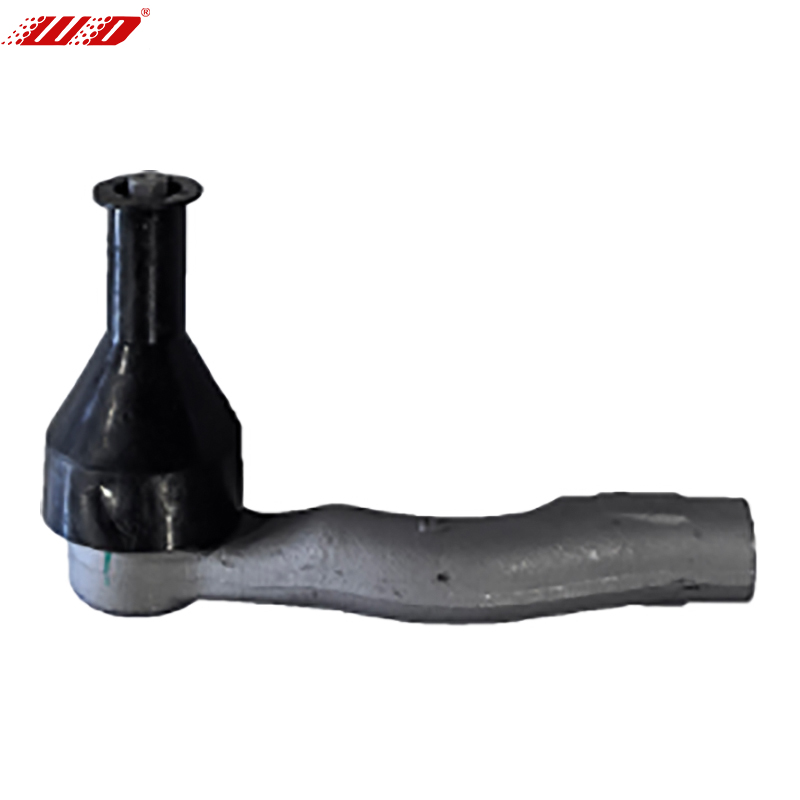
Subframes, control arms, ball joints, dampers and air springs, steering racks, wheel bearings, discs and pads. Everything here keeps the tyre contact patch square to the road.
Powertrain
Engine, turbocharger, timing chain and tensioner, water pump, oil cooler, head gasket, engine mounts; on battery-electric models the drive unit and reduction gear take the same role.
Electrical and electronics
Lamps, cameras, radar sensors, harnesses, body control modules, battery management, onboard chargers, TPMS sensors and airbag modules. This group now overlaps with body work.
Consumables
Engine oil, filters, spark plugs, coolant, brake fluid, transmission fluid, wiper blades. Low unit cost, high frequency, and the highest counterfeit exposure in the whole catalog.
Two consequences follow. First, a bumper cover is a body part, but the radar bracket moulded into it belongs to the electronics group — order the cover alone and the sensor may sit loose. Second, naming varies between catalogs: one supplier lists a "front bumper upper part", another calls the same item a cover, so the part number and model year carry more weight than the label.
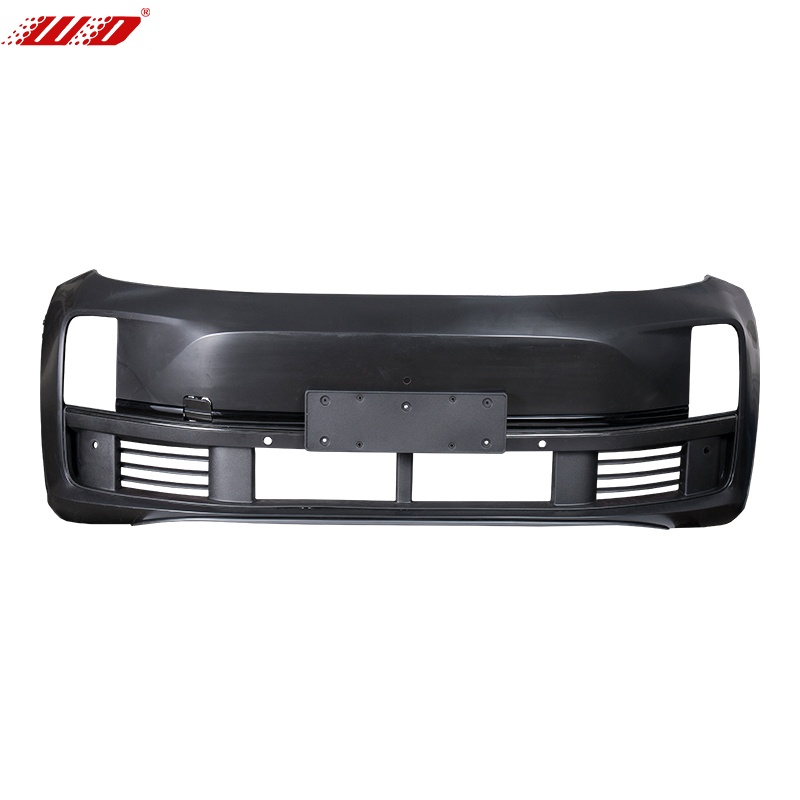 Front Bumper for Li Auto L6OEM 1:1 mold-developed front bumper for Li Auto L6 with premium packaging and customization available; verify part number and model year before ordering.View Product →
Three load paths that explain most part choices
Crash path: cover, absorber, beam, rail
A low-speed impact travels from the bumper cover into an energy absorber, then into the reinforcement beam bolted to the longitudinal rails. Each layer is a separate number, and replacing the cover without inspecting the beam and rail ends is a common cause of repeat repairs. Low radiator supports and lower shields sit on the same path and are usually the first items to crack.
Suspension path: arm, ball joint, knuckle, bearing
Vertical load passes through the spring and damper into the knuckle, then through the control arm bushes into the subframe. Wear appears as a clunk over speed bumps, cupped tyre shoulders or a steering wheel that sits off-centre. On newer platforms the arm and ball joint are often one assembly, so wheel alignment after fitting is not optional.
Electrical path: lamp, sensor, module, calibration
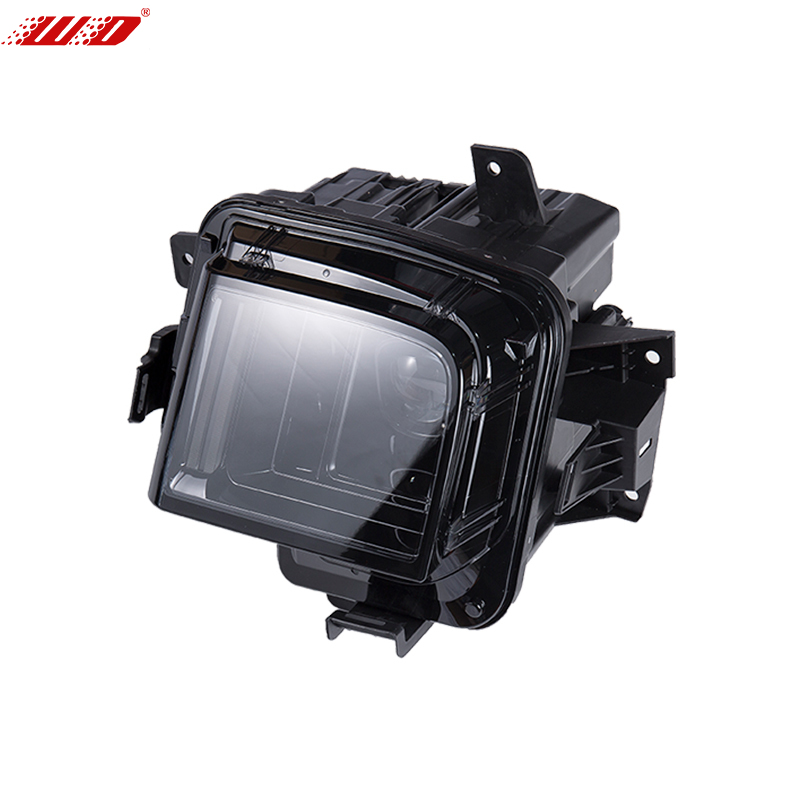
A headlamp is no longer standalone. The housing carries the projector, the levelling motor and sometimes a camera bracket, while the bumper in front carries radar. After replacement, aiming and radar calibration are part of the job — skip them and the fault surfaces as a driver-assistance warning rather than a lighting one.
Comparing the groups on wear, interval and sourcing risk
The groups behave very differently in service. The most frequently replaced parts in passenger cars cluster in friction and consumables, while body parts are replaced on event rather than on schedule.
 OEM-Spec Brake Pads for ZEEKR 001OEM-specification brake pads for Zeekr 001, designed for strong friction, consistent braking force, heat dissipation and wear resistance; relevant for friction and consumable stock planning.View Product →
Stock planning usually follows the loudest customer complaints. The quieter number is the share of unplanned visits each system generates, because that is what actually drives inventory turns.
Indicative distribution from mixed passenger-car workshop intake, shown to illustrate relative weight rather than a market statistic. The practical read: friction parts and lamps deserve shelf space, while body panels should be ordered against a job rather than held in depth.
How demand splits across the aftermarket
- Body and exterior — 34%
- Chassis and running gear — 24%
- Consumables — 21%
- Electrical and electronics — 13%
- Powertrain — 8%
Body and exterior dominate by value because panels and lamps are costly per event. For younger Chinese-brand fleets such as Li Auto, Zeekr, Voyah, Leapmotor and Geely, the mix leans further toward body and electrical work, since collision repair and lamp faults arrive long before scheduled wear does. A catalog organised by model year and configuration, like the Li Auto parts range, reflects that pattern instead of fighting it.
Six steps to identify the right part before you order
1. Decode the VIN and build year. Model-year splits matter: the Zeekr 001 changed bumper and lamp parts between the 21 and 24 versions.
2. Name the system. Body, chassis, powertrain, electrical or consumable. That single decision narrows the catalog by an order of magnitude.
3. Fix side and configuration. Left or right, high or low configuration, with or without sensor openings. These words appear in almost every listing for a reason.
4. Match the part number, not the description. Cross-check the OEM number against the listing and treat product photos as a secondary confirmation.
5. Check what is in the box. Brackets, foam inserts, clips, connectors, bulbs and modules may or may not be included in an assembly.
6. Plan the post-fit work. Wheel alignment, headlamp aiming, radar calibration and fluid top-up belong in the quote, not in a follow-up argument.
Maintenance and compliance points worth building into the process
- Lighting approvals: confirm the market marking required and check beam pattern orientation for left- or right-hand traffic. A lamp that fits but fails the pattern fails inspection.
- Brake friction: match the friction code and include wear sensors where fitted. Mixing compounds left to right produces a pull that no alignment will fix.
- Fluids: use the specified coolant and brake fluid type. The wrong coolant in an electric vehicle battery loop is an expensive mistake.
- Driver assistance: document every calibration after bumper, glass or lamp work and keep the printout with the job card.
- Traceability: retain part numbers, supplier details and invoices. Warranty conversations are lost far more often than they are won.
- Inbound inspection: doors and bumper covers ship in large packaging; check for transit damage before signing the delivery note.
Consumables deserve their own discipline, because they are the easiest item to buy badly. A correctly specified filter costs little more than a generic one and protects the most expensive assembly in the vehicle.
 1001787 Engine Oil Filter for Li Auto L6-L9Engine oil filter for Li Auto L6, L7, L8 and L9 that removes oil impurities to support lubrication and engine lifespan; a routine maintenance part.View Product →
The five-group model is not academic bookkeeping. It decides who you call, which catalog you open and whether the part arrives once. Sort a request into a group, pin it with side, model year and configuration, then verify the number against the listing — and the difference between a clean repair and a return usually comes down to one attribute rather than one part.
Keep a short written record of those attributes for the models you service most. It takes ten minutes to build and saves a call every week.