 English
 русский
 Español
When a body shop orders a replacement front bumper for a Li Auto L7, the part has to do more than bolt on and look right. It must absorb impact energy the same way as the original, tolerate temperature swings from winter highways to summer parking lots, and line up with the fenders and headlamps within a few millimetres. Engineering standards for car parts are the documented rules that make those properties measurable. Buyers who understand them make better sourcing decisions, handle fewer returns, and run repairs that stand up to insurance scrutiny.
Content
- 1 The short answer: which standards actually matter
- 2 Core principles: what each standard covers
- 3 Comparing part classes by compliance level
- 4 Hidden metrics: return rates by part class
- 5 Where standards matter most across vehicle systems
- 6 A practical sourcing checklist for compliant parts
- 7 Maintenance and compliance: protecting your operation
The short answer: which standards actually matter
An engineering standard is a documented set of requirements for materials, dimensions, performance, testing, or quality management. For passenger-car parts, the standards you will encounter most often are IATF 16949 and ISO 9001 for production quality, SAE and ECE for performance and regulatory compliance, AEC-Q100 and AEC-Q200 for electronic components, and CAPA for certified aftermarket crash parts.
The reason these standards matter is practical. A bumper that deviates from the original crush specification may transfer energy into the passenger cell in a collision. That is why the Li Auto L7 front bumper uses the same mounting geometry, material grade, and energy-absorbing structure as the factory part. A taillight without ECE or SAE marking can fail moisture testing and stop working within a year. A suspension arm made to looser tolerances can introduce vibration or premature bushing wear. Standards connect the drawing board to the repair bay.
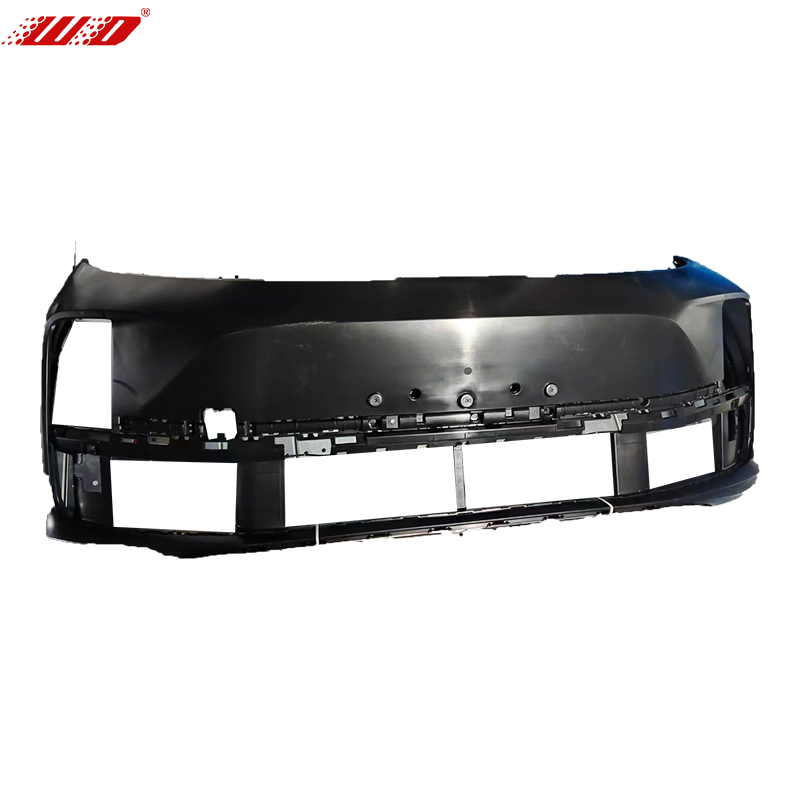 X03-28030020 -Li Auto L7 Front Bumper Manufacturers, OEM Factory - Hangzhou LiLizhong Shengteng - China Custom X03-28030020 -Li Auto L7 Front Bumper Manufacturers and OEM Factory,X03-28030020-Front Bumper is a WD ...View Product →
Core principles: what each standard covers
IATF 16949 and ISO 9001: quality management
IATF 16949 is the automotive-specific extension of ISO 9001. It governs manufacturing consistency, incoming material control, inspection frequency, traceability, and corrective action. A supplier that holds IATF 16949 can demonstrate that its parts are made under controlled processes rather than by trial and error.
SAE and ECE: performance and safety
SAE publishes voluntary standards for materials, dimensions, and test methods that the global industry follows. ECE regulations, recognised in most markets, cover lighting, mirrors, glazing, and bumper behaviour. Look for the E-mark on lamps and reflective components; it is a quick sign that the part was type-approved.
AEC-Q100 and AEC-Q200: automotive electronics
AEC-Q100 covers integrated circuits and AEC-Q200 covers passive components used in vehicles. The tests include extreme temperatures, vibration, moisture resistance, and electrostatic discharge. They separate automotive-grade electronics from consumer-grade parts, which matters in a 12-volt environment with constant vibration and heat.
CAPA and FMVSS: aftermarket crash parts
CAPA certifies that replacement body panels meet fit, finish, material, and corrosion requirements. FMVSS sets the legal safety performance for lighting, brakes, and structural systems in the US market. A certified panel gives both the shop and the insurer confidence that the repair will be accepted the first time.
Comparing part classes by compliance level
The line between genuine OEM parts and original-equipment supply is subtle but important, and the difference between OE and aftermarket continues to confuse repair shops. Read our comparison of OEM versus aftermarket car parts to understand the naming and the certification gaps.
Hidden metrics: return rates by part class
Warranty claim data from repair networks shows a clear pattern. The chart below illustrates typical first-year customer return rates for body panels and lighting units. Return rate is a useful proxy for overall quality risk because it captures fitment problems, premature failure, and functional defects in one number.
Genuine OEM
0.8%
OE parts
1.5%
CAPA certified
3.2%
Non-certified
11.7%
The pattern is consistent: certified or original parts fail at a fraction of the rate of non-certified alternatives. Genuine items such as the Leapmotor C11 front bumper upper shell assembly carry traceable part numbers and are produced to the original engineering specification, which is why they fit without filler, shimming, or modification.
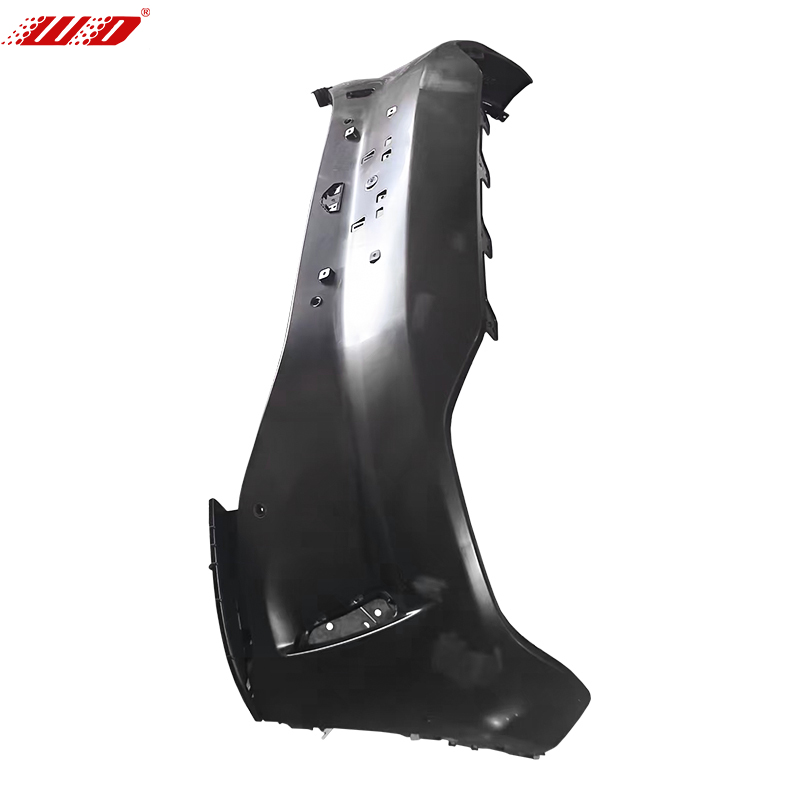 5110101-CA01SC02/CC018C02 - Front Bumper Upper Shell Assembly Manufacturers, OEMLizhong Shengteng - China Custom 5110101-CA01SC02/CC018C02 - Front Bumper Upper Shell Assembly Manufacturers and OEM Factory,The 5110101-...View Product →
Where standards matter most across vehicle systems
Compliance priorities are not evenly distributed across a vehicle. Based on regulatory requirements, rejection data, and field-failure analysis, the approximate share of standard-driven inspection and failure categories is shown below.
Body parts dominate because they combine crash performance, corrosion resistance, and aesthetic fit in one component. The ZEEKR 001 front bumper grille, for instance, must maintain airflow to the heat exchangers while matching the bumper contours. A compliant part balances that engineering requirement with visual fit.
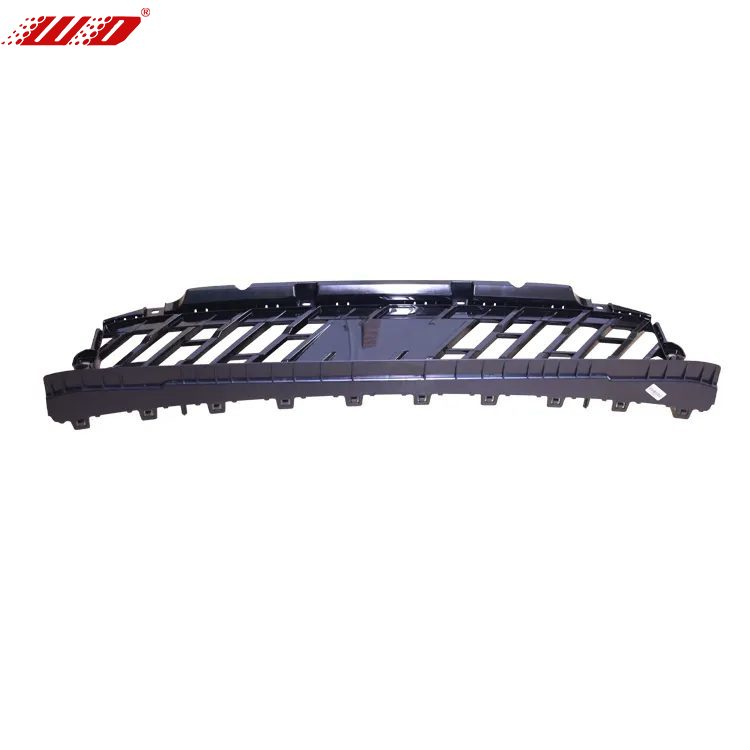 6600190690B03 Front Bumper Grille – Suitable for ZEEKR 001 Manufacturers, OEM FaLizhong Shengteng - China Custom 6600190690B03 Front Bumper Grille – Suitable for ZEEKR 001 Manufacturers and OEM Factory,The 6600190690B...View Product →
A practical sourcing checklist for compliant parts
Use this sequence when evaluating a replacement part, whether you work in a shop, a distributor, or a fleet maintenance department.
- Confirm the exact model year, trim level, and VIN range. Chinese-brand vehicles such as Li Auto, ZEEKR, VOYAH, Leapmotor, and Geely change part numbers between model updates and configuration levels.
- Match the part number printed on the original component. Genuine numbers often carry prefixes such as LAA, X0, H56, or 6-prefixed digit codes that identify the exact variant.
- Ask for standards documentation: ISO 9001 or IATF 16949 certificates, CAPA labels, E-mark evidence, or a test report for the specific component family.
- Inspect material thickness, mounting point alignment, and surface finish. Compare the part side-by-side with the original before installation.
- Test-fit before painting. Check panel gaps on all sides, and confirm that adjacent parts such as headlamps, grilles, and liners align correctly.
- Keep purchase records and supplier contact details for warranty claims. Traceability is part of compliance.
For a deeper walkthrough, our guide to choosing reliable auto parts covers supplier evaluation, sampling, and testing steps in more detail.
Maintenance and compliance: protecting your operation
- Store certificates and invoices for at least the warranty period. Insurers and regulators may request them after a repair or an audit.
- Re-verify supplier certifications annually. Certificate dates lapse, and suppliers occasionally change production lines or sources without notice.
- For lighting and electronic parts, confirm E-mark, DOT, or AEC compliance before installation. A non-compliant lamp can fail inspection and create liability.
- Treat structural parts with extra care. Load-bearing suspension, steering, and crash components should come from certified or original sources.
- Report failures to the supplier and request corrective action. Serious suppliers use return data to improve their process, not just to issue a credit.
For shops and distributors, a standards-based sourcing policy reduces rework, protects brand reputation, and simplifies insurance claims. Engineering standards for car parts are not paperwork; they are the specification of a part's real-world behaviour. When you need a replacement part for a modern Chinese-brand vehicle, browse our catalog of genuine parts and choose a supplier that can demonstrate compliance rather than ship a lookalike.