 English
 русский
 Español
Content
- 1 Understanding the Core Function of the Front Lower Grille
- 2 Design Elements and Aesthetic Integration in the Li Auto L6
- 3 Common Issues and When to Consider a Replacement
- 4 Step-by-Step Replacement Guide for the Lower Grille
- 5 Execution of the Removal and Installation Process
- 6 Post-Installation Checks and Calibration
- 7 Maintenance Tips to Prolong Grille Lifespan
Understanding the Core Function of the Front Lower Grille
The Li Auto L6 front lower grille is not merely an aesthetic appendage; it plays a critical role in the vehicle's overall aerodynamic efficiency and thermal management. Unlike traditional internal combustion engine vehicles that require massive air intakes for radiator cooling, the Li Auto L6, as an extended-range electric vehicle, utilizes a highly streamlined approach. The front lower grille directs airflow precisely where it is needed, cooling the battery pack, the electric motor, and the range extender engine when it is active. This targeted airflow significantly reduces drag, directly contributing to the vehicle's impressive electric range and overall energy efficiency on the highway.
Beyond thermal management, the lower grille houses and protects vital Advanced Driver Assistance Systems hardware. Modern vehicles like the L6 rely on a sophisticated suite of sensors, including ultrasonic radars and cameras, which are often mounted in the lower bumper area. The grille's design ensures these sensors have an unobstructed field of view while shielding them from road debris, water splashes, and physical impacts. A compromised grille can misalign these sensors, leading to degraded performance in features like automatic emergency braking and adaptive cruise control.
Design Elements and Aesthetic Integration in the Li Auto L6
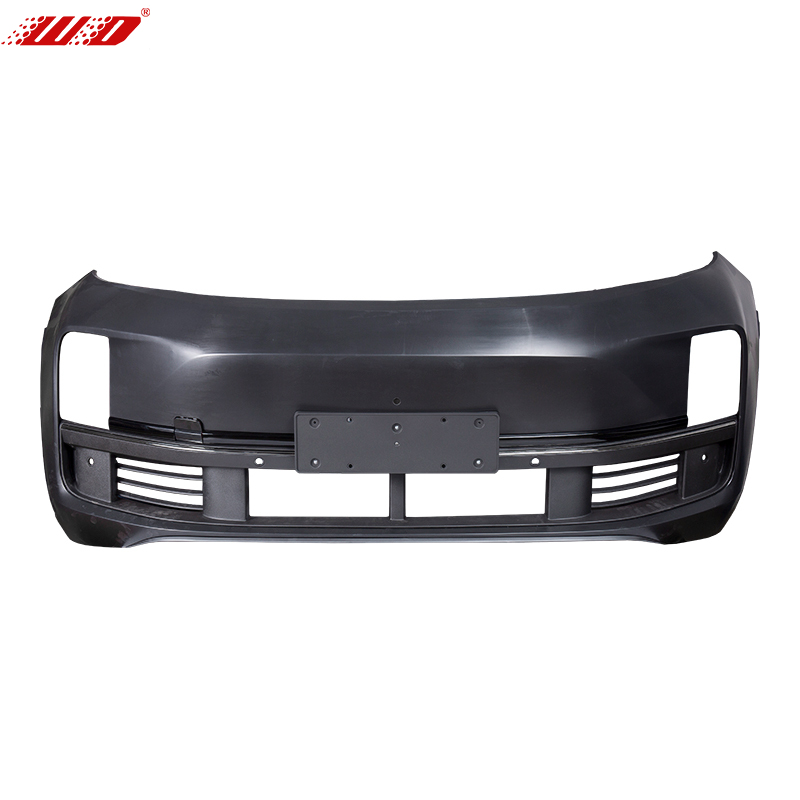
The design language of the Li Auto L6 emphasizes a futuristic, minimalist aesthetic, and the front lower grille is a crucial component of this visual identity. It seamlessly integrates with the iconic Star Ring headlight assembly, creating a continuous, wide visual stance that makes the SUV look both robust and technologically advanced. The lower grille features a sophisticated slatted pattern that not only looks premium but is engineered to minimize air turbulence and reduce wind noise at high speeds.
This careful design integration ensures that the vehicle maintains its sleek profile without looking cluttered by large, unsightly air dams. The contours of the lower grille are aerodynamically sculpted to guide air smoothly around the front wheels, reducing the drag coefficient. Furthermore, the finish of the grille is chosen to contrast beautifully with the vehicle's paintwork, elevating the overall luxury feel of the front fascia while maintaining a cohesive and aggressive road presence.
Material Composition and Durability
To withstand the harsh realities of daily driving, the Li Auto L6 front lower grille is manufactured from high-grade, impact-resistant thermoplastics. These materials are specifically chosen for their ability to absorb minor impacts without shattering, a common issue with cheaper, rigid plastics. The thermoplastic blends used in the construction offer excellent flexibility, allowing the part to bend and rebound after minor scrapes against curbs or speed bumps. Additionally, these materials are treated with UV stabilizers to prevent fading, chalking, or brittleness caused by prolonged exposure to direct sunlight.
Common Issues and When to Consider a Replacement
While the Li Auto L6 front lower grille is built to last, it is the most exposed part of the vehicle's front end, making it susceptible to damage. Common issues include cracks caused by road debris, scratches from parking mishaps, and broken mounting tabs from minor frontal collisions. In regions with harsh winters, the grille can also suffer from stress fractures due to repeated freeze-thaw cycles and the impact of road salt. If the structural integrity is compromised, it can rattle at high speeds or detach partially, posing a safety hazard.
| Damage Type | Primary Cause | Recommended Action |
| Surface Scratches | Minor debris impact or car wash abrasion | Polishing or plastic trim restorer application |
| Cracked Housing | High-speed stone impact or frontal collision | Complete Li Auto L6 front lower grille replacement |
| Broken Mounting Tabs | Curb scraping or improper removal | Tab repair kit or full assembly replacement |
| Sensor Interference | Grille deformation pressing on sensors | Immediate replacement and sensor recalibration |
Step-by-Step Replacement Guide for the Lower Grille
Replacing the front lower grille on a Li Auto L6 requires patience, the right tools, and a methodical approach. Because this component is tightly integrated with the bumper cover and sensor wiring, rushing the process can lead to broken clips or damaged electrical connectors. Before beginning any work, ensure the vehicle is parked on a flat, level surface, the engine is turned off, and the keys are removed from the vehicle to prevent any accidental activation of the electronic systems.
Essential Tools and Preparation
Gathering the correct tools before starting the Li Auto L6 front lower grille replacement will save you time and prevent frustration. You will need a specific set of equipment to handle the delicate components safely and efficiently.
- Plastic trim removal tools to prevent scratching the premium paint finish of the Li Auto L6 bumper cover during the prying process.
- A comprehensive set of Torx and Phillips head screwdrivers to handle the various specialized fasteners securing the lower grille assembly.
- A 10mm socket wrench and ratchet for removing any underlying structural bolts that connect the grille to the crash bar or subframe.
- Needle-nose pliers designed for safely extracting stubborn plastic push-retainers and managing the tight sensor wiring harness connectors.
Execution of the Removal and Installation Process
The first step in the replacement guide is to remove the plastic rivets and screws securing the lower grille to the bumper cover. Start from the wheel well edges, carefully prying out the push-type retainers using your plastic trim tool. Once the fasteners are removed, gently pull the grille outward. Be extremely cautious, as the parking sensors and their wiring harnesses are often attached directly to the back of the grille. Disconnect the electrical connectors by pressing the release tabs and pulling them straight out.
With the old grille removed, transfer any necessary sensors or mounting brackets to the new Li Auto L6 front lower grille. Align the new grille carefully with the mounting points on the bumper. Reconnect all sensor wiring harnesses, ensuring you hear a distinct click that indicates a secure connection. Once the electrical components are verified, press the grille firmly into place and reinstall all the plastic rivets and screws. Tighten them evenly to prevent warping the plastic, which could lead to unsightly gaps.
Post-Installation Checks and Calibration
After the physical installation is complete, the final phase of the Li Auto L6 front lower grille replacement involves rigorous testing. Start the vehicle and check the dashboard for any warning lights related to the ADAS or parking sensor systems. If any sensor faults are indicated, it may be necessary to perform a software calibration through the vehicle's infotainment system or via a diagnostic tool. Take the vehicle for a short test drive in a safe area to test the automatic parking assist and forward collision warning features, ensuring they engage correctly without false triggers.
Maintenance Tips to Prolong Grille Lifespan
To keep the Li Auto L6 front lower grille looking pristine and functioning optimally, regular maintenance is essential. Wash the grille frequently using a mild automotive soap and a soft microfiber mitt to remove bug splatter, road tar, and brake dust. Avoid using stiff-bristled brushes or high-pressure washers directly on the sensor areas, as this can damage the delicate sensor membranes. Applying a dedicated plastic trim restorer or a ceramic coating specifically designed for exterior plastics can provide an additional layer of UV protection and make future cleaning significantly easier.
For those who frequently drive on gravel roads or in areas with heavy debris, consider installing a custom-fit mesh guard or a transparent protective film over the lower grille. This proactive measure can prevent stone chips and physical impacts from damaging the thermoplastic surface or the underlying sensors. By combining careful driving habits with these simple maintenance routines, you can ensure that your vehicle's front fascia remains as functional and visually striking as the day it rolled off the assembly line.