 English
 русский
 Español
Content
- 1 Factors Influencing the Decision to Repair or Replace Auto Body Parts
- 2 Assessing the Extent of Damage
- 3 Cost Considerations
- 4 Safety and Performance Implications
- 5 Aesthetic Considerations
- 6 Material and Compatibility Factors
- 7 Preventive Maintenance and Long-Term Considerations
- 8 Comparative Table: Repair vs Replacement
- 9 Conclusion
Factors Influencing the Decision to Repair or Replace Auto Body Parts
Deciding whether to repair or replace auto body parts depends on several factors, including the extent of the damage, cost implications, safety considerations, and the vehicle’s age and condition. Understanding these variables helps vehicle owners make informed choices that balance durability, aesthetics, and budget.
Assessing the Extent of Damage
Minor dents, scratches, and superficial paint damage can often be repaired without compromising the integrity of the vehicle. In contrast, severe collisions, structural damage, or parts that have been warped or cracked may require full replacement to ensure safety and proper functionality.
Surface vs Structural Damage
Surface damage includes scratches, small dents, and paint blemishes, which can typically be fixed using body filler, sanding, and repainting. Structural damage affects the frame, mounting points, or crumple zones, where repairs may not restore original strength, making replacement the safer option.
Cost Considerations
Cost often dictates whether a repair or replacement is more practical. Repairing minor damage is usually less expensive than replacing parts. However, for severe or repeated damage, replacement may be more cost-effective in the long term, avoiding frequent repairs and potential safety issues.
Labor and Material Costs
Repairing auto body parts involves labor for sanding, filling, painting, and finishing. Replacement costs include the price of the new part plus installation labor. Comparing both options allows vehicle owners to evaluate the total expense and make a financially sound decision.
Safety and Performance Implications
The safety and performance of a vehicle can be affected by the condition of auto body parts. Parts involved in structural integrity, such as frames, pillars, and crumple zones, must meet safety standards. Repairing these components may not always restore original strength, making replacement critical for passenger protection.
Impact on Vehicle Handling
Damaged or poorly repaired body parts can affect aerodynamics, alignment, and overall handling. Replacing the parts ensures that the vehicle performs as designed, maintaining stability, fuel efficiency, and safety.
Aesthetic Considerations
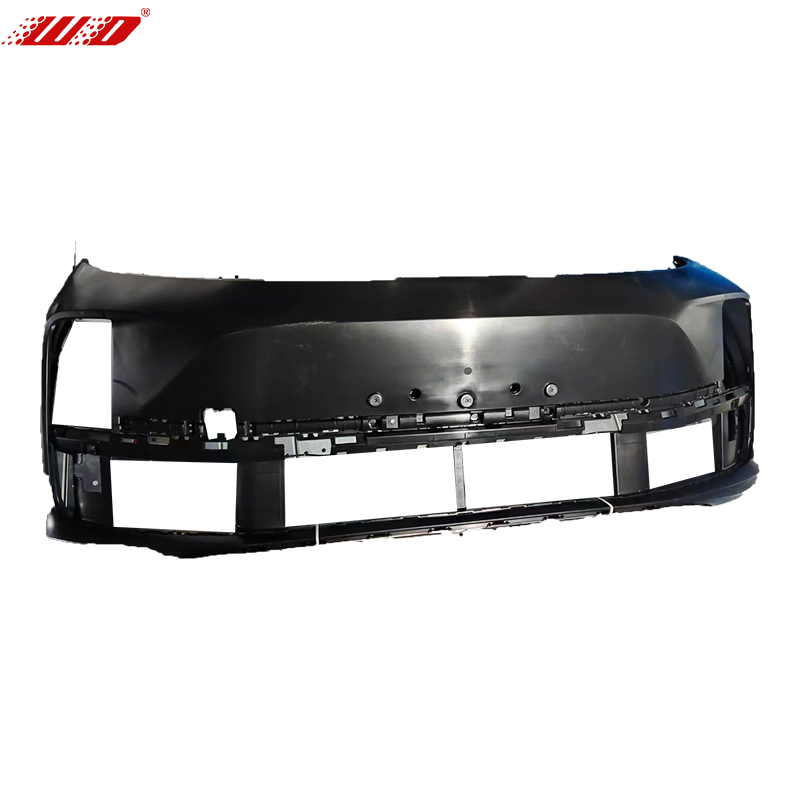
For visible components like fenders, bumpers, and doors, cosmetic appearance is a major factor. Repairs can restore the surface finish for minor imperfections, but extensive damage may leave visible flaws even after repair. Replacement ensures a flawless, factory-like appearance, which is important for resale value and personal satisfaction.
Material and Compatibility Factors
Modern vehicles use a variety of materials, including steel, aluminum, and composites. Repairs must consider compatibility with existing materials and the risk of corrosion or bonding failure. In some cases, replacement with an OEM or compatible aftermarket part ensures proper fit, strength, and longevity.
Preventive Maintenance and Long-Term Considerations
Deciding between repair and replacement also involves long-term planning. Replacement reduces the likelihood of future issues, while repairs may require ongoing maintenance or touch-ups. Evaluating the vehicle’s age, intended use, and expected lifespan helps guide a practical choice.
Comparative Table: Repair vs Replacement
| Factor | Repair | Replacement |
| Extent of Damage | Minor surface damage | Severe or structural damage |
| Cost | Lower initial cost | Higher initial cost but may save future repairs |
| Safety | May not restore original strength for structural parts | Ensures full structural integrity |
| Appearance | Restores minor cosmetic issues | Provides flawless factory-like finish |
| Longevity | May require ongoing touch-ups | Long-term solution with minimal maintenance |
Conclusion
When deciding between repairing or replacing auto body parts, vehicle owners must consider damage severity, cost, safety, aesthetics, and long-term implications. Minor cosmetic issues are often best repaired, while severe or structural damage typically warrants full replacement. Evaluating these factors ensures the vehicle remains safe, functional, and visually appealing.