 English
 русский
 Español
As a supplier and manufacturer specializing in VOYAH AUTO PARTS for over a decade, we have witnessed firsthand the evolution of Voyah cars from concept to production reality. The body structure of these premium electric vehicles represents a masterclass in modern automotive engineering, combining high-strength steel with aluminum alloy in proportions that challenge industry conventions. Our direct involvement in supplying structural components provides unique insight into the sophisticated engineering decisions that define Voyah's approach to safety, performance, and manufacturing efficiency.
The automotive industry has long debated the merits of various body construction methodologies. While some manufacturers pursue all-aluminum architectures for weight reduction, and others remain committed to traditional steel monocoques, Voyah cars occupy a distinctive position through their strategic integration of multiple materials. This hybrid approach demands precise engineering coordination and specialized manufacturing processes that we have helped refine through our supply partnerships.
Content
Design Philosophy Behind Voyah Structural Engineering
The fundamental design concept governing Voyah cars prioritizes what engineers term "targeted material deployment." Rather than applying uniform materials throughout the vehicle structure, Voyah's engineering team designates specific zones for high-strength steel and aluminum alloy based on functional requirements. This philosophy recognizes that different vehicle regions face distinct mechanical demands during normal operation and collision scenarios.
The front and rear sections of Voyah cars incorporate carefully engineered deformation zones utilizing advanced high-strength steel grades. These areas must absorb and dissipate impact energy during collisions while maintaining structural integrity that protects the passenger compartment. The material selection process involved extensive computer modeling and physical testing to identify optimal steel compositions that provide predictable deformation characteristics under various impact velocities.
Conversely, the upper body structure and non-structural panels employ aluminum alloy extensively. This distribution strategy reduces overall vehicle mass where material strength requirements permit, improving energy efficiency and handling dynamics without compromising safety. The transition zones between steel and aluminum components represent particularly sophisticated engineering challenges that Voyah addresses through advanced joining techniques including laser welding and structural adhesives.
Aerodynamic Integration and Structural Harmony
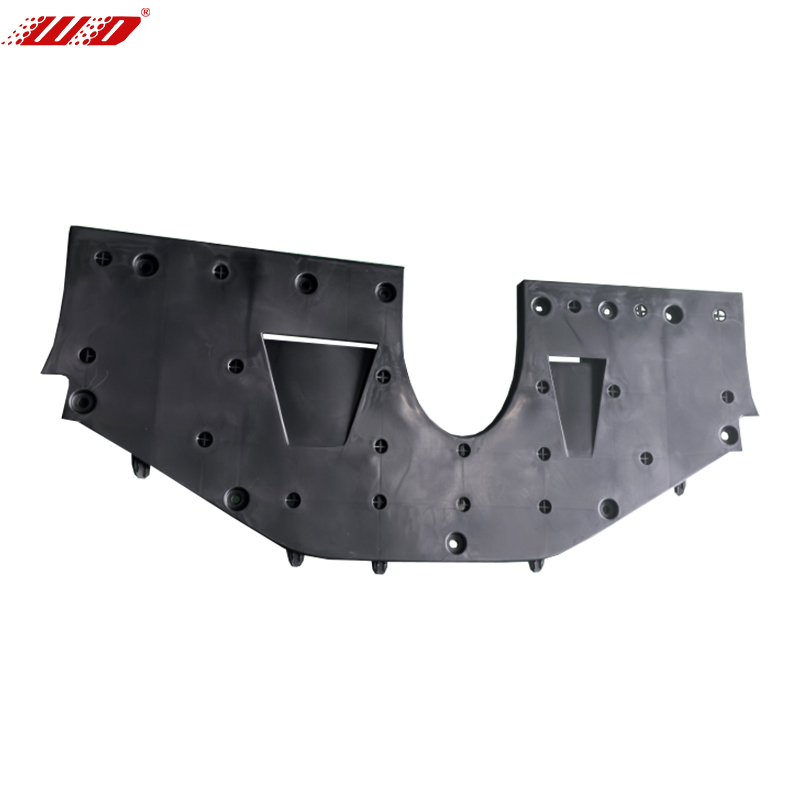
Beyond material selection, the body structure of Voyah cars demonstrates exceptional integration of aerodynamic principles. The underbody panels and structural elements create smooth airflow patterns that reduce drag coefficients while simultaneously enhancing high-speed stability. This dual-purpose design approach eliminates the traditional compromise between aerodynamic efficiency and structural rigidity that has plagued automotive engineers for generations.
Material Science and Selection Criteria
The material composition of Voyah cars reflects a data-driven approach to automotive engineering. High-strength steel constitutes approximately 31% of the total body mass, with advanced grades including dual-phase and boron-alloyed variants providing tensile strengths exceeding 1500 MPa in critical load-bearing applications. These materials undergo hot-stamping processes that achieve complex geometries while maintaining metallurgical properties essential for crash performance.
Aluminum alloy deployment reaches 28% of body mass, concentrated in closure panels, hood assemblies, and structural reinforcements where weight reduction delivers maximum benefit. The specific aluminum grades selected for Voyah applications include 6000-series alloys for outer panels and 5000-series variants for energy-absorbing structures. This differentiation ensures that each aluminum component performs optimally within its designated functional role.
The remaining body composition incorporates advanced composites and specialized coatings that enhance corrosion resistance and acoustic performance. Multi-layer zinc coatings protect steel components from environmental degradation, extending service life in challenging climates. Sound-deadening materials integrated during the manufacturing process reduce cabin noise without adding significant mass.
Material Distribution Analysis
| Material Category | Percentage | Primary Applications |
| High-strength steel | 31% | Frame rails, pillars, crossmembers |
| Aluminum alloy | 28% | Hood, doors, suspension towers |
| Advanced composites | 12% | Bumper beams, reinforcements |
| Coated steels | 24% | Floor panels, wheel arches |
| Other materials | 5% | Insulation, seals, adhesives |
Structural Component Architecture
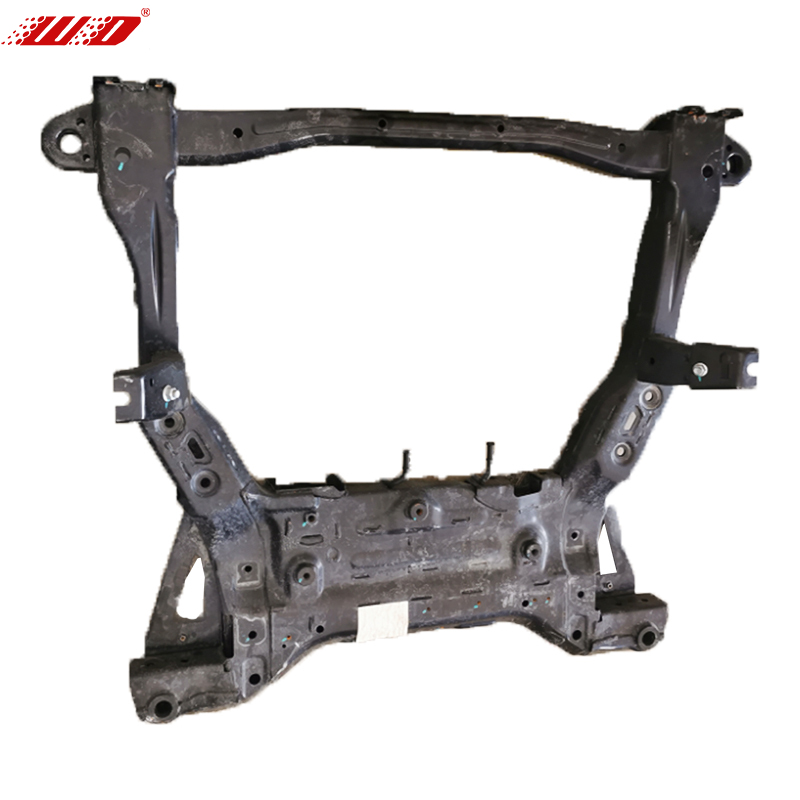
The primary frame structure of Voyah cars utilizes a perimeter design that creates a protective cage around occupants. This architecture distributes impact forces through multiple load paths, preventing concentration of stress that could compromise passenger safety. The side rails extend from the front bumper beam to the rear crush zone, providing continuous structural members that maintain alignment during offset collisions.
The passenger compartment represents the most heavily reinforced zone, employing closed-section pillars and roof rails that resist intrusion from any direction. The A-pillars utilize ultra-high-strength steel pressings capable of withstanding roof crush loads exceeding federal requirements by substantial margins. B-pillars incorporate tailored blank technologies that vary material thickness along their length, optimizing strength where needed while minimizing weight elsewhere.
Floor pan construction demonstrates particular sophistication, with hydroformed crossmembers creating a rigid platform that supports the battery pack in electric variants while contributing to overall torsional stiffness. This integration of energy storage and structural functions exemplifies the systems-level thinking that characterizes modern Voyah engineering.
Crash Energy Management Systems
During frontal impacts, the crash zones of Voyah cars activate sequentially to control deceleration rates. The front rails employ graded strength profiles that initiate deformation at predetermined load thresholds, creating a controlled collapse that extends over milliseconds. This progressive failure mode prevents the abrupt deceleration pulses that cause severe injuries in less sophisticated designs.
Side impact protection relies on door-mounted beams and sill reinforcements working in concert. The door beams span from A-pillar to B-pillar attachments, transferring lateral forces into the floor structure rather than allowing intrusion into the occupant space. Side curtain airbags deploy from the roof lining to provide additional protection against window glass and external objects.
Competitive Differentiation Analysis
Comparing Voyah cars to competitors reveals distinct philosophical differences in body construction approaches. Tesla Model Y utilizes predominantly aluminum architecture, achieving significant weight reduction but requiring complex repair procedures and higher material costs. While this approach benefits range and acceleration metrics, it presents challenges for collision repair and insurance costs that Voyah's steel-aluminum hybrid avoids.
NIO vehicles employ similar mixed-material strategies but allocate aluminum more extensively to structural members. This distribution provides excellent corrosion resistance and weight characteristics but increases manufacturing complexity and material costs. Voyah's concentration of aluminum in non-structural and secondary structural applications achieves comparable weight benefits while maintaining the repairability and cost advantages of steel-intensive primary structures.
Traditional European luxury manufacturers such as BMW and Mercedes-Benz often utilize carbon fiber reinforced plastics in flagship models. While these materials offer exceptional strength-to-weight ratios, they require specialized manufacturing equipment and expertise that limits production scalability. Voyah's reliance on conventional high-strength steel and aluminum alloy enables higher production volumes and broader service network compatibility without sacrificing performance targets.
Manufacturing and Service Implications
The material choices in Voyah cars directly impact manufacturing efficiency and long-term serviceability. High-strength steel components utilize established stamping and welding processes that automotive suppliers have refined over decades. This familiarity reduces production variability and enables consistent quality control throughout high-volume manufacturing campaigns.
Collision repair represents a significant consideration for vehicle owners and insurers. The steel-intensive structure of Voyah cars permits conventional repair techniques using equipment available at most certified repair facilities. Aluminum components require specialized tools and training, but their concentration in easily replaceable panels rather than structural members limits the scope of specialized repairs needed.
Our experience supplying VOYAH AUTO PARTS confirms that this engineering approach delivers tangible benefits for both manufacturers and consumers. The balance of high-strength steel and aluminum alloy in Voyah cars represents not compromise but optimization—a recognition that different materials excel in different applications, and that intelligent integration surpasses homogeneous construction in achieving overall vehicle performance objectives.