 English
 русский
 Español
The suspension system of a vehicle plays a crucial role in providing a smooth and safe driving experience. It is responsible for absorbing road bumps, supporting the vehicle’s weight, and ensuring optimal handling. Auto suspension problems, such as faulty struts, can significantly impact a vehicle’s performance and comfort. In this article, we will explore the role of auto struts, common suspension issues, and essential information about common auto repairs that can address these problems. By understanding these concepts, car owners can better identify when repairs are necessary and how to maintain their vehicles for long-term safety.
Content
What Are Auto Struts?
Auto struts are essential components of a vehicle’s suspension system. Unlike traditional shock absorbers, struts combine the functions of both shocks and springs, playing a key role in both vehicle handling and comfort. Struts are commonly installed in the front suspension of a vehicle and are crucial for absorbing shocks from the road. They help keep the tires in contact with the road, ensuring better traction and smoother handling, especially when driving over bumps or uneven surfaces.
Function of Auto Struts
Auto struts serve several functions, all of which contribute to a vehicle's safety and comfort:
- Absorb road shocks and vibrations to prevent the vehicle from bouncing excessively.
- Maintain proper alignment of the wheels to ensure smooth steering and handling.
- Support the weight of the vehicle and distribute it evenly across the tires, promoting balanced performance.
- Help keep the vehicle stable during cornering or when driving on rough roads.
Common Auto Suspension Problems
Over time, the suspension system can develop problems, many of which can be traced back to worn-out or damaged auto struts. It is crucial to recognize common suspension issues early to avoid costly repairs and maintain vehicle safety. Some of the most common suspension problems include:
- Uneven tire wear: If the suspension system is misaligned or the struts are worn out, the tires may wear unevenly. This leads to reduced traction and could result in costly tire replacements.
- Unusual noises: Worn-out struts often cause a variety of noises, such as clunking, grinding, or popping sounds, especially when driving over bumps or potholes.
- Vehicle pulls to one side: A misaligned suspension or failed strut may cause the vehicle to pull to one side, making driving difficult and dangerous.
- Rough ride: If you notice that the ride has become excessively bumpy or that the vehicle bounces more than usual, this could indicate worn-out struts that need replacement.
- Nose-diving or squatting: A vehicle may squat down at the rear or nose-dive when braking if the struts are worn out and unable to absorb the weight shifts effectively.
Common Auto Repairs: Fixing Suspension Issues
When suspension problems occur, it's essential to address them promptly with the appropriate auto repairs. Ignoring suspension issues can lead to further damage to other components, increase the risk of accidents, and reduce vehicle performance. Some common auto repairs for suspension problems include:
- Replacing worn-out struts: The most common repair for suspension issues is replacing damaged or worn-out struts. This repair restores the vehicle’s handling, stability, and ride comfort.
- Aligning the suspension: If the suspension is misaligned, it can cause uneven tire wear and make the vehicle pull to one side. Aligning the suspension ensures proper handling and prolongs tire life.
- Replacing shock absorbers: Shock absorbers help control the vehicle's movements and keep the ride smooth. If they are damaged or worn, replacing them restores comfort and stability.
- Fixing steering components: Suspension problems can sometimes affect the steering system. A mechanic may need to inspect and repair steering components to ensure safe and reliable vehicle handling.
Common Auto Repairs Related to Suspension
Some additional auto repairs that are often related to suspension issues include:
- Ball joint replacement: Ball joints connect the vehicle’s steering and suspension systems. Over time, they can wear out, leading to handling problems and the need for repair or replacement.
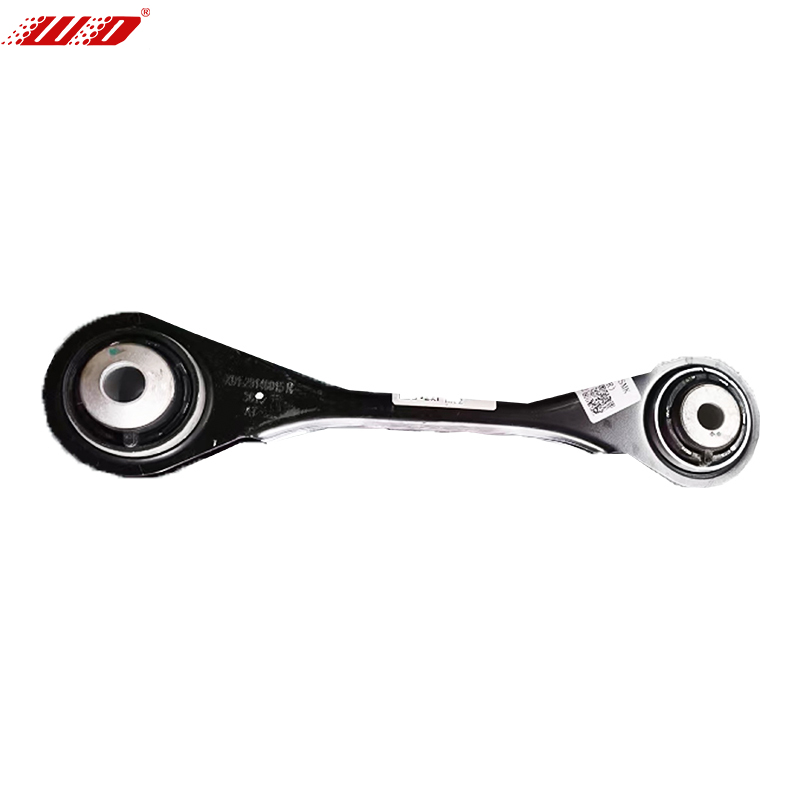
- Control arm replacement: The control arms are crucial in ensuring that the suspension moves smoothly. If they become damaged, they may need to be replaced to prevent issues with alignment and handling.
- Replacing bushings: Bushings are rubber or polyurethane components that cushion and support the suspension system. Over time, they can degrade, leading to a noisy ride or suspension issues.
How to Identify When Suspension Repairs Are Needed
Knowing when to address suspension issues is essential to prevent further damage. Here are some signs that indicate suspension repairs are needed:
- Your vehicle bounces excessively when driving over bumps.
- You hear unusual noises like clunks or squeaks coming from the suspension.
- The vehicle pulls to one side or drifts while driving.
- You experience difficulty steering or notice a loose steering wheel.
- The vehicle's ride height appears uneven or lower than usual.
Conclusion
Auto suspension problems, especially those involving auto struts, are common issues that should not be ignored. These problems can lead to decreased driving comfort, poor handling, and unsafe driving conditions. By understanding the functions of auto struts, recognizing common suspension issues, and addressing them with the appropriate auto repairs, car owners can maintain their vehicles in top condition. If you notice any signs of suspension problems, it is recommended to seek professional auto repair services to restore the vehicle’s performance and ensure your safety on the road.