 English
 русский
 Español

A container of 40 Li Auto L7 front bumpers reaches a body shop in Rotterdam. Three of them sit 4 mm proud of the fender bracket and will not close the panel gap to specification. The shop photographs the mounting points, sends the part number and lot back to the supplier, and expects a fix rather than a credit note. What the supplier does over the following 30 days is the practical meaning of CAPA quality.
Most buyers only see the end of that cycle: a replacement pallet, a revised bracket, a new incoming inspection sheet. The mechanism behind it decides whether the same defect returns in the next shipment.
The short answer: CAPA quality is the closed-loop element of a quality management system that removes the cause of a defect so it cannot repeat. Corrective action handles a failure that already happened; preventive action handles the same cause before it produces a failure somewhere else. It is judged by verified evidence such as repeat-fault rate, revision control and closure data, not by a certificate on the wall.
Content
- 1 What CAPA Quality Means in Plain Terms
- 2 The Five Stages, and What Each One Must Produce
- 3 CAPA, Complaint and Nonconformance: Where Records Get Confused
- 4 Where CAPA Effort Actually Comes From
- 5 Which Part Families Absorb the Most Quality Attention
- 6 The Cost Case: What a Verified CAPA Saves
- 7 Compliance Checks Before You Approve a Supplier
What CAPA Quality Means in Plain Terms
CAPA stands for Corrective and Preventive Action. The requirement appears in ISO 9001:2015 clause 10.2, and in IATF 16949:2016 clause 10.2.3 for automotive suppliers, which adds specific expectations: a defined problem-solving method, review of similar products and processes for the same risk, and documented verification that the fix worked. Medical device and aerospace standards carry almost identical clauses, which is why the term travels across industries unchanged.
In parts trading the phrase gets used two ways. One is the quality of the process itself: how quickly a case is opened, how deep the investigation goes, whether closure is verified. The other is the CAPA element inside a supplier's quality system. Both reduce to one test: was the cause removed, and can you prove it with data?
Corrective action
Reactive. It removes the cause of a nonconformity that was detected. Example: three L7 bumper brackets measure outside tolerance, so the tooling insert is replaced, the affected lot is quarantined and inspection frequency is doubled until the data is stable.
Preventive action
Proactive. It acts on a potential failure. Example: the same bracket geometry is shared with L8 and L9, so the tooling change is applied to those part numbers before they fail at a repair shop thousands of kilometres away.
Nonconformance
A record, not a remedy. It states what failed, where and how many units. A nonconformance can legitimately close as use-as-is, rework or scrap. A CAPA only closes when a cause is removed and the result is verified.
The Five Stages, and What Each One Must Produce
Auditors rarely argue about definitions. They argue about sequence, because most failed CAPA files skip a stage rather than perform one badly.
- Detection and containment. Record the part number, lot, VIN or build date and the actual measurement. Contain first: quarantine remaining stock and pause shipment. If twenty more units leave the warehouse before the hold, stage one has already failed.
- Root cause. Use 8D or 5 Whys and separate the cause of occurrence (why the bracket deformed) from the cause of escape (why outgoing inspection missed it). Automotive auditors ask for both, and "operator error" is not an acceptable answer to either question.
- Action plan. Corrective and preventive actions each need an owner, a completion date and a change-control reference whenever a drawing, tool, supplier or process parameter changes.
- Implementation. Update the drawing revision, inspection plan, work instruction and sub-tier supplier at the same time. A revised drawing that never reaches the incoming inspection station is paperwork, not a fix.
- Verification of effectiveness. Three to six months of data on the same defect code, a re-audit of the process and a management review entry. Training attendance sheets and a signed closure form do not count.
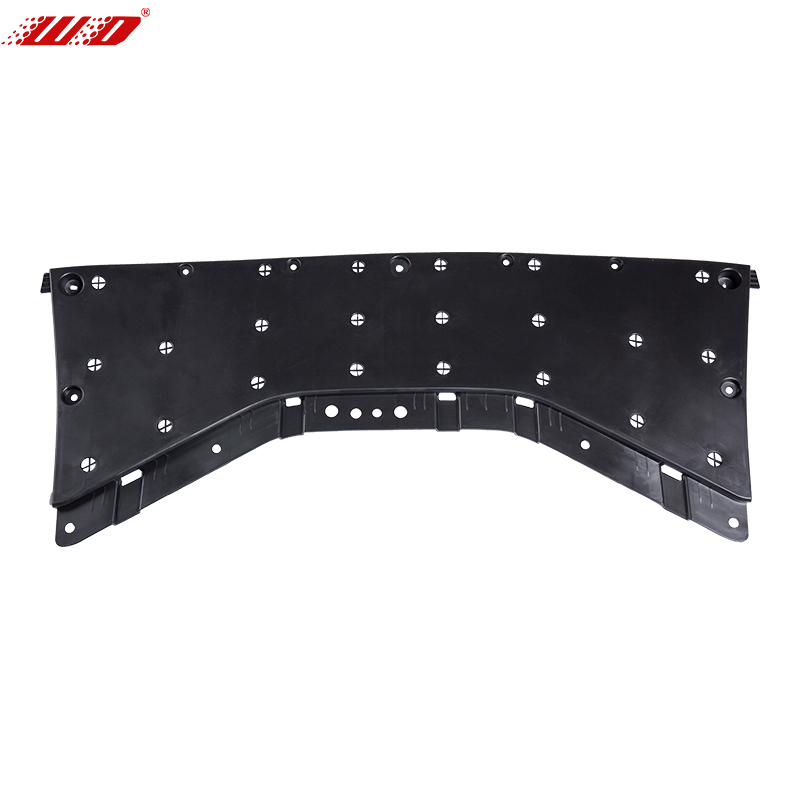
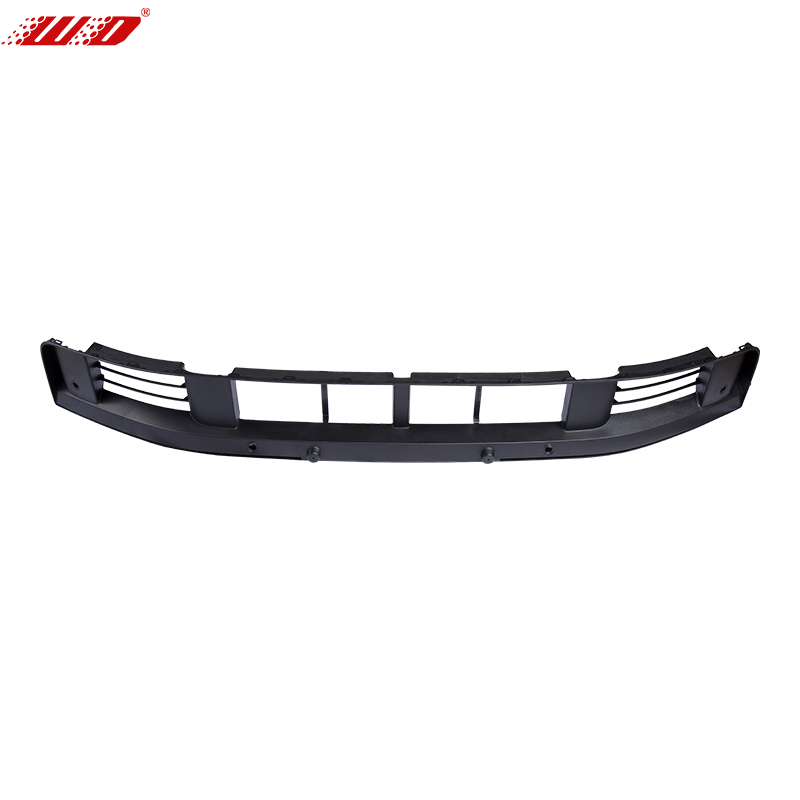
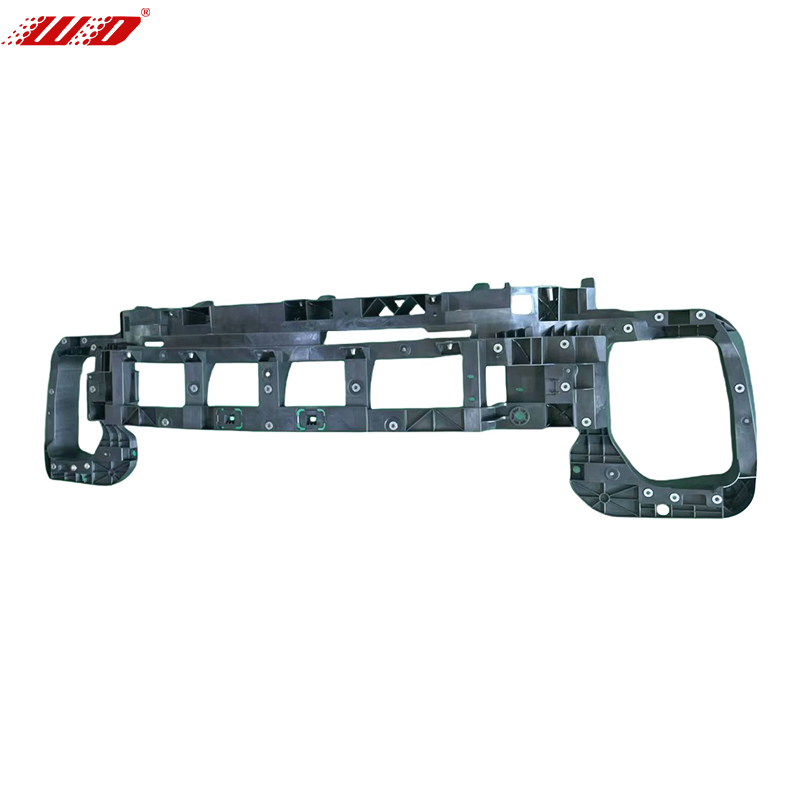
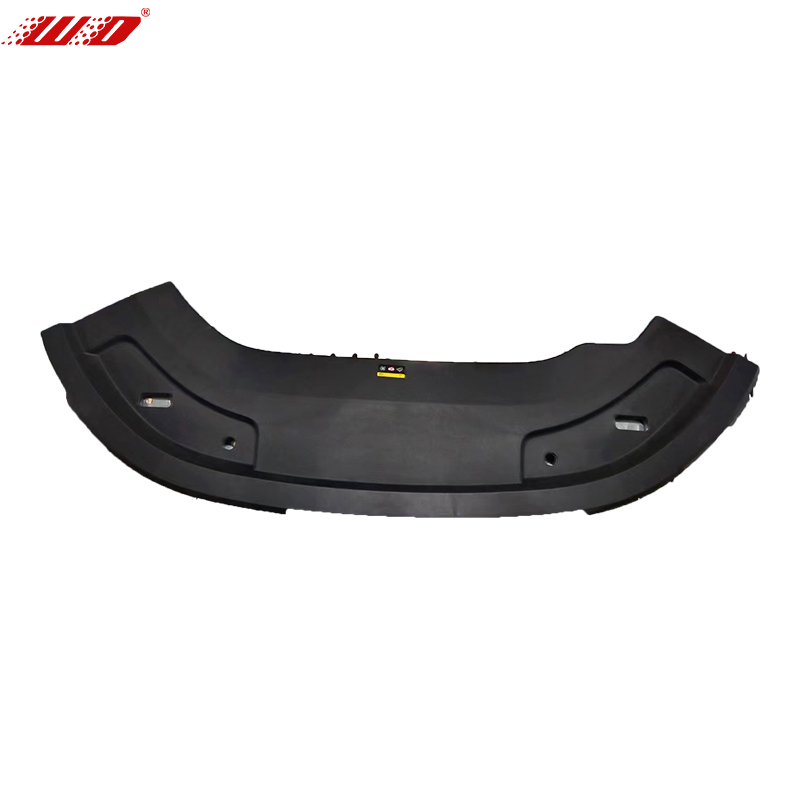
Exterior assemblies generate a large share of these cases because they combine geometry, surface finish and connector positions in a single part. A front bumper for the Li Auto L7 has to align with fender, bracket and grille simultaneously, and a 4 mm deviation is visible to the end customer even when every individual component passes its own tolerance.
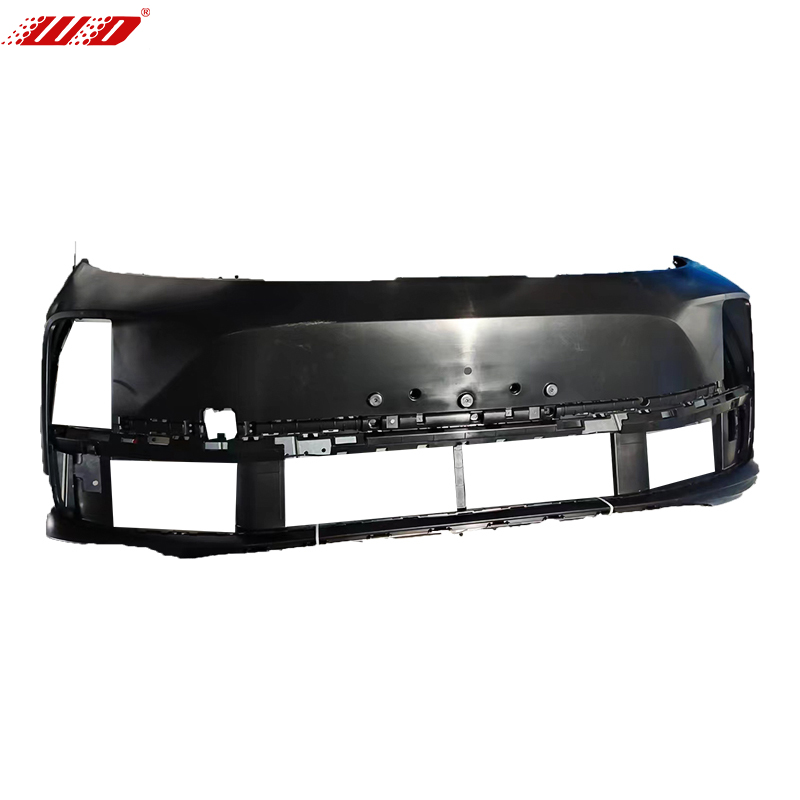 Li Auto L7 Front Bumper X03-28030020A 2100 mm Li Auto L7 front bumper listed with dimensions and 9.5 kg weight, worth checking when fitment and revision matching matter.View Product →
That is also why configuration matters. A high-configuration headlight and a low-configuration headlight share a housing but not the internals, and the difference between OEM and OE parts matters far less than whether the revision you receive matches the vehicle you are repairing.
CAPA, Complaint and Nonconformance: Where Records Get Confused
These four records appear in the same supplier document pack and are constantly treated as interchangeable. They are not, and the evidence required to close each one is different.
Where CAPA Effort Actually Comes From
CAPA workload is not evenly distributed across defect types. In exterior and lighting parts, a working model of failure sources looks like the chart below. Use it as a prioritisation tool, then replace the figures with your own complaint data within a quarter.
Read the first bar literally. Geometry failures are the most expensive class because they are invisible in a product photo and only surface at assembly, when labour has already been spent. Paint and surface complaints are cheaper per case but arrive in volume, so together they account for more than half of a typical file. The last bar is the cheapest to fix and the easiest to ignore, right up until customs rejects a pallet for a missing label.
Which Part Families Absorb the Most Quality Attention
Quality cases cluster by part family. The split below is a prioritisation model for a mixed order of Chinese-brand electric vehicle parts, not a market statistic; adjust the proportions against your own return reasons.
Body parts dominate because one part carries three risks at once: mounting points, parking-sensor cut-outs and paint match. A front bumper upper shell for the Leapmotor C11 is a good example, since a millimetre at the sensor aperture changes whether the radar sees through the cover. Electrical parts come second because function, not shape, decides acceptance: a headlight that fits perfectly but fails a beam pattern test is still a return.
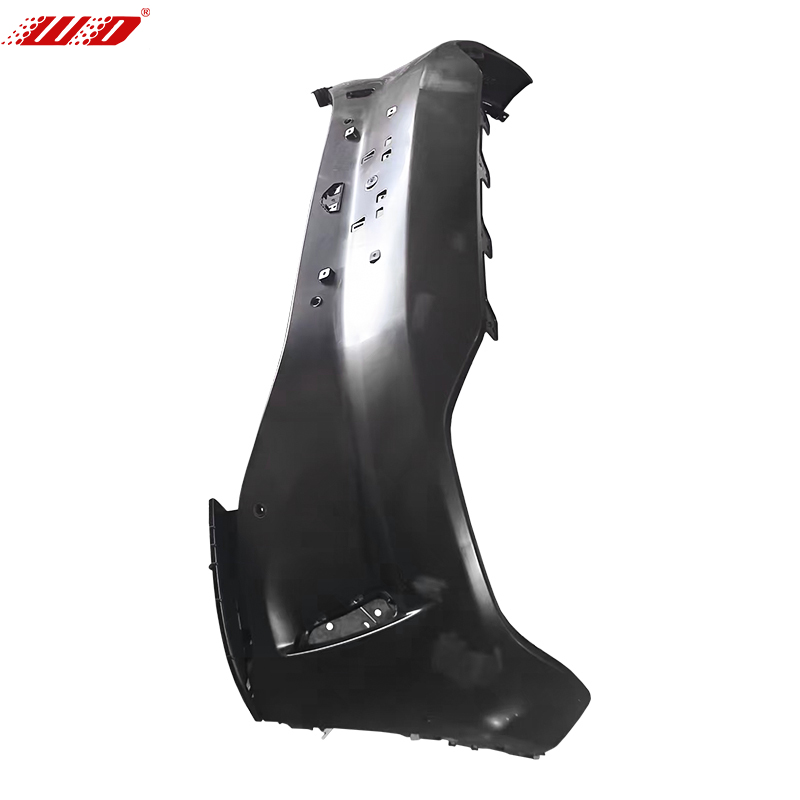 Leapmotor C11 Front Bumper Upper Shell AssemblyA front bumper upper shell assembly for Leapmotor C11, positioned here for buyers weighing sensor cut-out fit, paint match and checking-fixture questions.View Product →
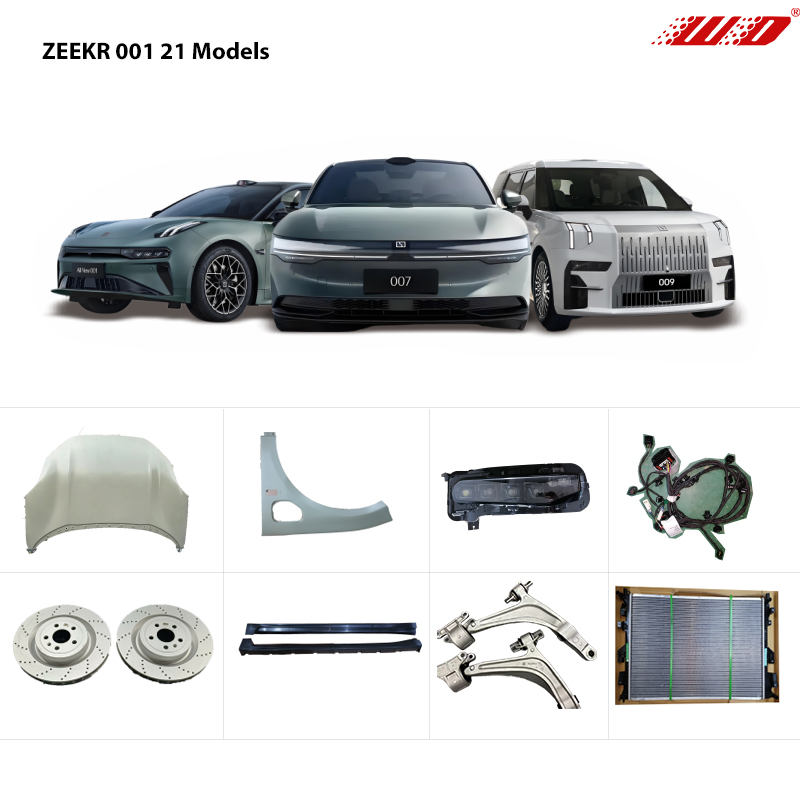 ZEEKR 001 21Models Left and Right HeadlightsLeft and right headlights with listed part numbers, ADB adaptive high beam and intelligent zone lighting for ZEEKR 001 21Models electrical-system checks.View Product →
The practical consequence for buyers is to ask different questions per family. For sheet panels and bumpers, ask about checking fixtures and packaging. For lamps, cameras and sensors, ask about functional test records and software or revision compatibility. Browsing a full Li Auto L7 parts catalogue by system is faster than searching by number when you do not yet know which layer of the assembly is failing.
The Cost Case: What a Verified CAPA Saves
Run the arithmetic before arguing about unit price. A returned bumper shipped from a European workshop costs roughly USD 150 to 200 in two-way freight, plus handling, plus the labour already spent fitting and removing it. Three returned units from a single 40-piece shipment therefore cost more than a checking fixture that would have caught the deviation at the source.
Price one escape. Freight both ways, credit value, shop downtime and the phone calls. That number, not the unit price, is the real cost of a defect.
Price one prevention. A fixture, a first-article check, a packing insert, an added inspection point. Prevention is usually a one-off cost while escapes recur.
Decide by defect class. Geometry and connector faults justify capital spend; label and documentation faults justify a checklist and a second pair of eyes.
Track repeat rate quarterly. If the same defect code reappears after a claimed closure, the CAPA was not verified and the supplier's quality metrics are unreliable.
Compliance Checks Before You Approve a Supplier
Certificates are easy to display and hard to verify. These are the items that separate a functioning CAPA system from a documented one.
- An IATF 16949 certificate whose scope statement actually covers the parts you are buying, not just the company name on the letterhead.
- A CAPA log summary: open cases, average days to closure, and repeat defect rate by part family. Request the summary, not the full confidential files.
- Verification evidence in the form of post-fix data, such as a three-month trend on the same defect code. Training attendance sheets prove nothing about effectiveness.
- Revision and model-year traceability that matches your application, from Zeekr 001 2021 versus 2024 body hardware to high and low configuration lamps.
- A written change-notification clause, so a tooling, material or sub-supplier change cannot ship silently inside your next order.
- Containment capability: how fast the supplier can freeze stock after a complaint. Anything beyond 24 hours should be treated as a known weakness.
None of this replaces a first-article inspection on the first order. It replaces the guesswork on the tenth, when you need to know whether the part in the box is the same part that passed inspection six months ago. That continuity, not the folder of certificates, is what CAPA quality actually buys.