 English
 русский
 Español
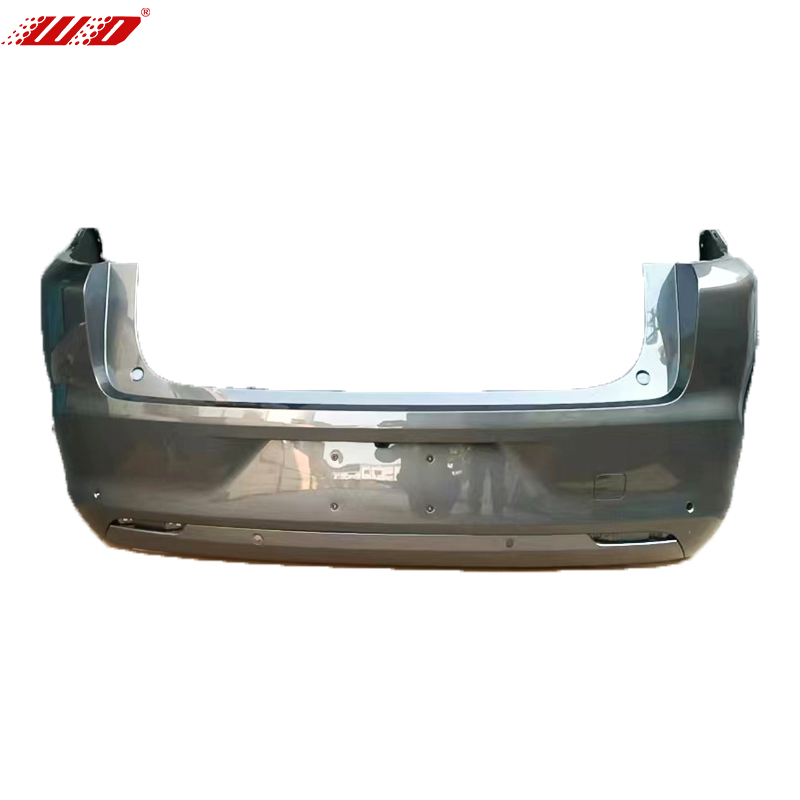
A collision repair shop gets a 2023 Li Auto L7 in with a cracked front bumper. The OEM part costs $1,200 and has a three-week lead time. A certified aftermarket bumper costs $450 and arrives in three days. The shop owner hesitates: is the cheaper part safe? The answer is yes, if it carries a recognized certification. Certified aftermarket parts are not just budget alternatives; they are independently tested to meet material, fit, and durability standards.
Core conclusion: Certified aftermarket parts deliver OEM-level fit and performance in most collision and mechanical repairs, at 30–50% lower cost, provided you verify the certification and match the exact part number.
For Chinese EV brands like Li Auto, ZEEKR, VOYAH, Leapmotor, and Geely, certified aftermarket options are expanding rapidly. This guide explains what certification really means, how to compare parts, and where the hidden risks lie.
Content
- 1 What Makes an Aftermarket Part "Certified"?
- 2 OEM vs. Certified Aftermarket vs. Uncertified: A Side-by-Side Comparison
- 3 The Hidden Metrics: What Returns and Warranty Claims Reveal
- 4 Where Certified Aftermarket Parts Win: Application Distribution
- 5 Selection Guide: How to Choose Certified Parts Without Guesswork
- 6 Maintenance and Compliance: Protecting Your Shop and Your Customers
What Makes an Aftermarket Part "Certified"?
Certification is not a marketing label. It means an independent organization has tested the part against published standards. The most common programs are CAPA, NSF, and IATF 16949. CAPA, for example, tests material composition, fitment, finish, and corrosion resistance. NSF runs similar tests and adds performance checks for specific categories. IATF 16949 covers the manufacturer's quality management system, not the individual part.
CAPA
Independent testing for material, fit, finish, and corrosion. Required by many insurers for collision repair.
NSF
Tests materials, fit, and function. Often accepted for mechanical and electrical parts.
IATF 16949
Automotive quality management standard. Ensures consistent production processes.
ISO 9001
General quality management. A baseline, not a part-specific certification.
For EV-specific parts, certification may also cover electrical safety, voltage tolerance, and thermal performance. A certified headlight for a ZEEKR 001, for instance, must pass beam pattern and waterproofing tests. The same applies to body parts: a certified front bumper for a Li Auto L7 is checked for mounting hole alignment within tight tolerances.
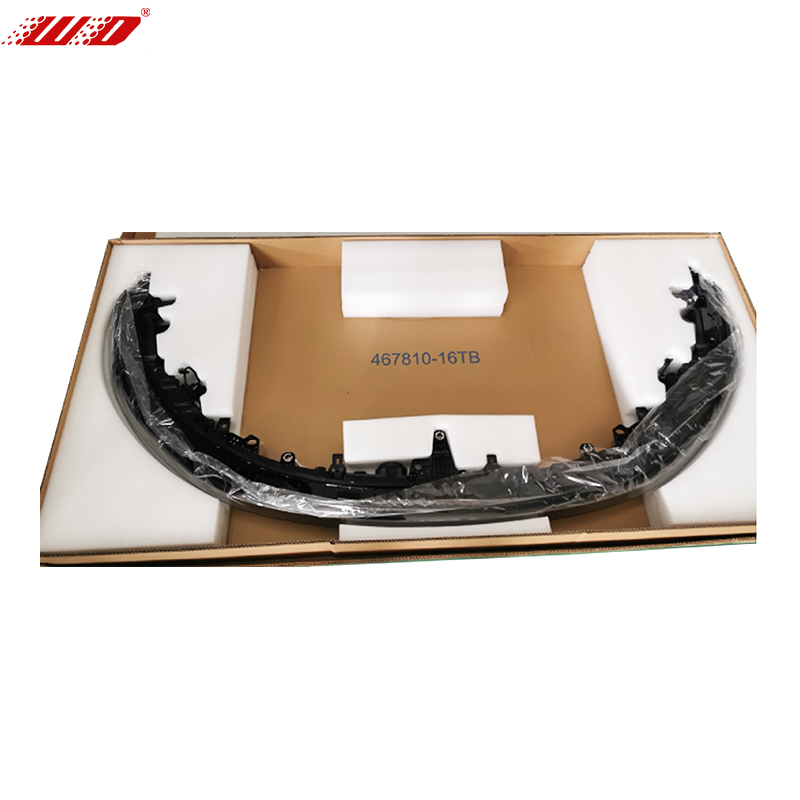
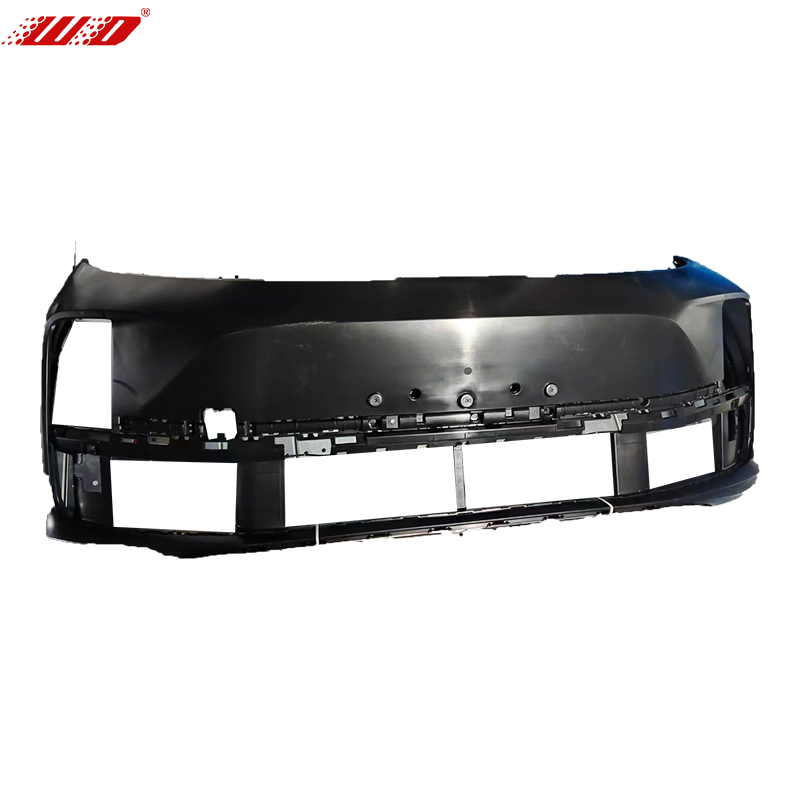 X03-28030020 -Li Auto L7 Front BumperX03-28030020-Front Bumper is a WD brand product, widely recognized as one of the most commonly used products on the market. Its popularity among customers reflects its...View Product →
Without certification, you are relying on the seller's word. A useful reference is this overview of OEM vs. aftermarket certifications.
OEM vs. Certified Aftermarket vs. Uncertified: A Side-by-Side Comparison
The table below compares typical performance across six attributes. The data comes from published certification standards and field returns from independent repair shops.
The gap between certified and uncertified aftermarket is much larger than the gap between certified and OEM. For a Li Auto L7 front bumper, the certified version fits within 1 mm of OEM in most cases. The uncertified version may require drilling or trimming, which adds labor time and increases the risk of a comeback.
The Hidden Metrics: What Returns and Warranty Claims Reveal
Price and lead time are visible. Returns and warranty claims are not. The chart below shows fitment-related returns per 1,000 units sold, based on aggregated data from independent repair shops.
Certified aftermarket parts cut fitment returns by 82% compared to uncertified parts. For EV electrical components, the hidden metric is often voltage tolerance. A certified ZEEKR 001 headlight, for example, must operate within a narrow voltage range and maintain beam pattern under vibration. Uncertified units often fail these tests, leading to flickering or premature failure.
Where Certified Aftermarket Parts Win: Application Distribution
Certified aftermarket parts are not used equally across all repair types. The pie chart below shows the distribution of certified aftermarket part sales by application category.
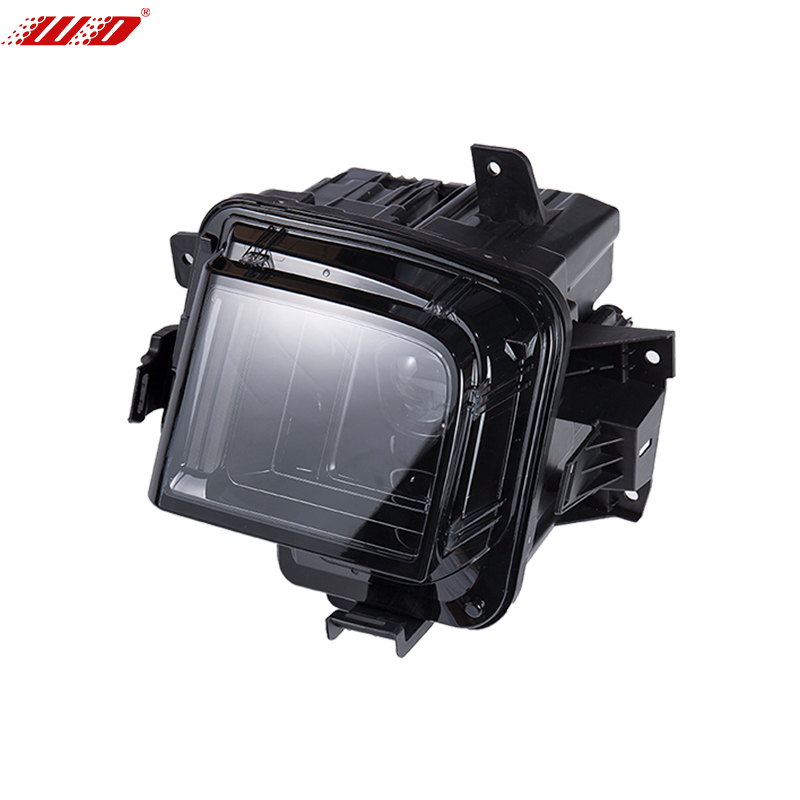
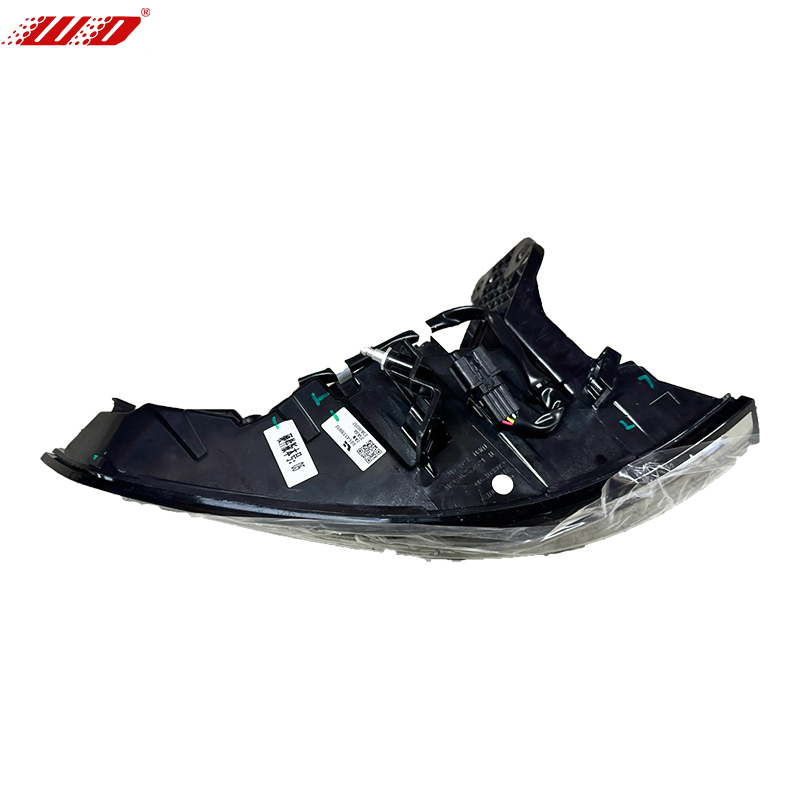
Collision repair dominates because body parts are expensive and frequently replaced. Electrical parts are the fastest-growing segment, driven by EV adoption. For a ZEEKR 001 headlight, the certified aftermarket option offers the same beam pattern and durability as OEM at roughly half the price.
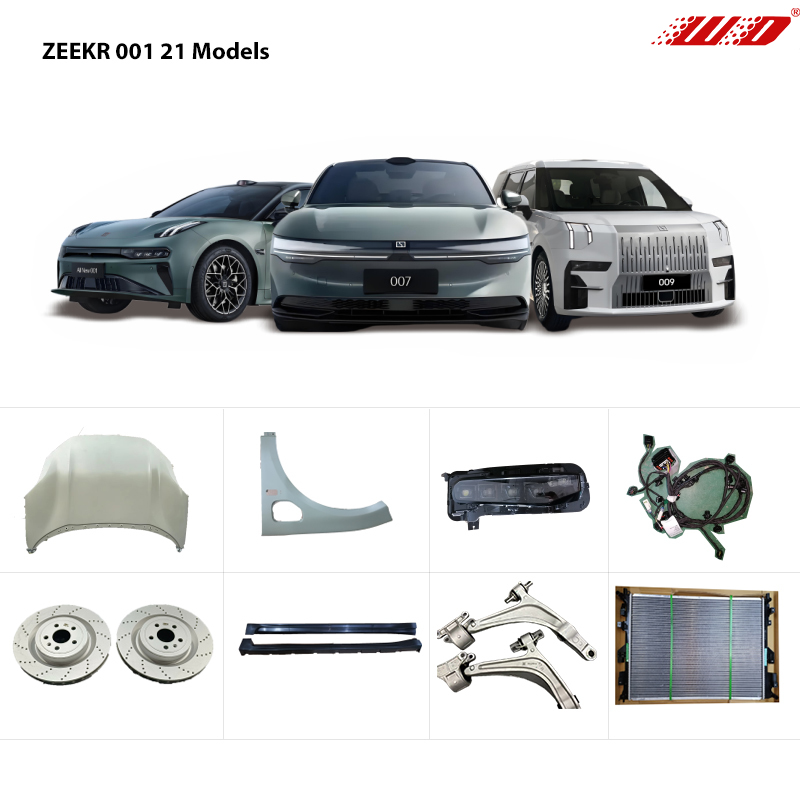 8892470492 -ZEEKR 001 21Models Left Headlight 8892470494 -ZEEKR 001 21Models Right HeadligWith intelligence, high safety and unique styling as the core, it adopts ADB adaptive high beam system and intelligent zone lightingView Product →
Selection Guide: How to Choose Certified Parts Without Guesswork
Follow these five steps to reduce risk and maximize ROI.
1. Verify the certification label
Look for a CAPA or NSF seal on the part or packaging. Ask for the test certificate if buying online.
2. Match part number and configuration
Check left/right, high/low configuration, and model year. A Li Auto L7 front bumper for the 2023 model may not fit the 2022.
3. Check material and fitment guarantees
Certified parts come with a fitment guarantee. Uncertified parts often have “minor modification may be required” in the fine print.
4. Compare total cost
Include labor, potential returns, and downtime. A $450 certified bumper that fits in 2 hours beats a $350 uncertified bumper that takes 4 hours and comes back.
5. Test with a small order
Before committing to a large batch, order one or two parts to verify fit and finish on a real vehicle.
A typical ROI example: a certified aftermarket front door for a Leapmotor C11 costs 40% less than OEM and has a 98% fitment rate. Over 100 repairs, that saves $12,000 in parts alone, with minimal return risk.
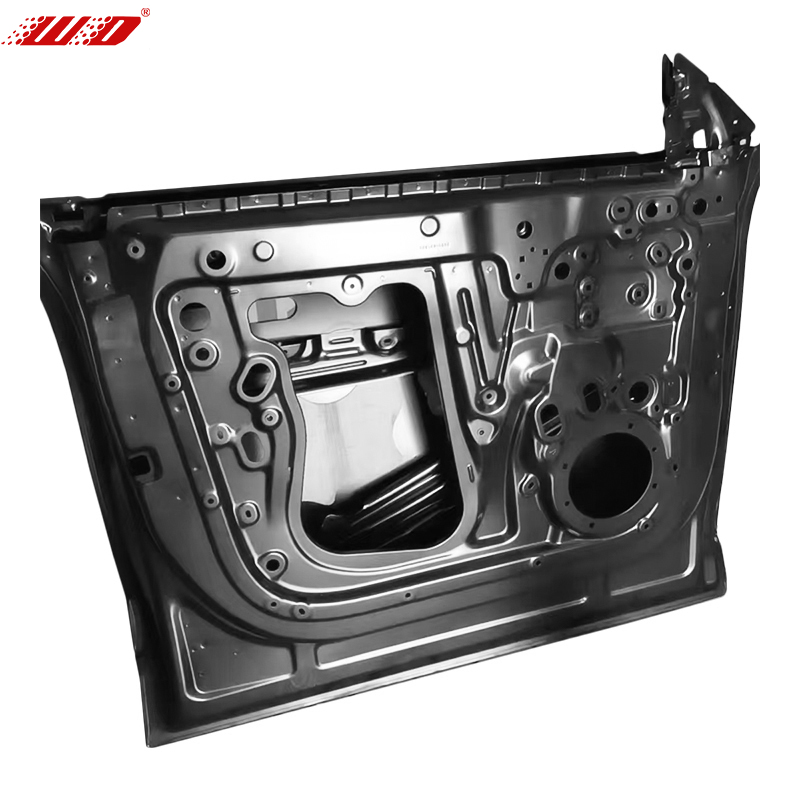 6211100-CA01DY - Genuine Leapmotor C11 Left Front Door AssemblyEngineered with precision and crafted to uphold the highest standards of automotive excellence, the 6211100-CA01DY - Genuine Leapmotor C11 Left Front Door Assembly rep...View Product →
To explore certified options for Chinese EV brands, browse the Li Auto parts catalog as a starting point.
Maintenance and Compliance: Protecting Your Shop and Your Customers
Using certified aftermarket parts is not just about cost. It also protects your business from liability and warranty disputes. Keep these points in mind:
- Disclose the part type to the customer. Many jurisdictions require written consent before installing aftermarket parts on a vehicle under warranty.
- Keep certification records. Store the CAPA or NSF certificate for at least the warranty period. If a customer claims a defect, you can prove the part was certified.
- Check insurance requirements. Some insurers specify CAPA-certified parts for collision repairs. Using uncertified parts may void the claim.
- For EV high-voltage parts, verify electrical safety certification. A certified ZEEKR 001 onboard charger must meet isolation and voltage withstand tests. Uncertified units can damage the battery management system.
- Traceability matters. Record the part number, supplier, and installation date. This makes it easier to process warranty claims and identify batch issues.
Certification is a living process. Manufacturers must renew testing periodically. When you buy from a reputable supplier, ask for the latest test report. For parts that are frequently updated, such as Li Auto L9 headlights, confirm that the certification covers the current model year.
As Chinese EV brands expand globally, the demand for certified aftermarket parts will only grow. The choice is not between OEM and cheap aftermarket; it is between certified and uncertified. Certified parts give you OEM-level fit and durability at a fraction of the cost, with the documentation to back it up. Start by verifying the certification, match the exact part number, and test with a small order. That approach keeps your shop profitable and your customers safe.