 English
 русский
 Español
Every new energy vehicle on the road carries a front-end protection system that most buyers never think about — until something goes wrong. The front bumper assembly, impact beam, and energy-absorbing cushion block sit between the road and the vehicle's battery pack, sensors, and cooling systems. On an EV, the stakes of a compromised front protection section are higher than on a conventional vehicle: a damaged front energy absorber that fails to perform in a secondary impact can mean sensor misalignment, charging port damage, or thermal management system exposure. Getting the right replacement part matched correctly to the model and build year is not optional — it is a safety call.
Hangzhou Lizhong Shengteng Automotive Parts Co., Ltd. supplies original and OEM-grade front protection system components for China's leading new energy vehicle brands, covering the full range of front bumper assemblies, energy absorbers, and cushioning elements for models including Zeekr, Li Auto, Leapmotor, and Voyah.
Content
- 1 What the Front Protection Section Actually Does
- 2 How NEV Architecture Changes Front Protection Requirements
- 3 The Role of Cushioning Material in Impact Performance
- 4 Model-Specific Sourcing: Why It Matters for Fast-Iterating NEV Platforms
- 5 Selecting a Reliable Front Protection Parts Supplier for NEV Models
What the Front Protection Section Actually Does
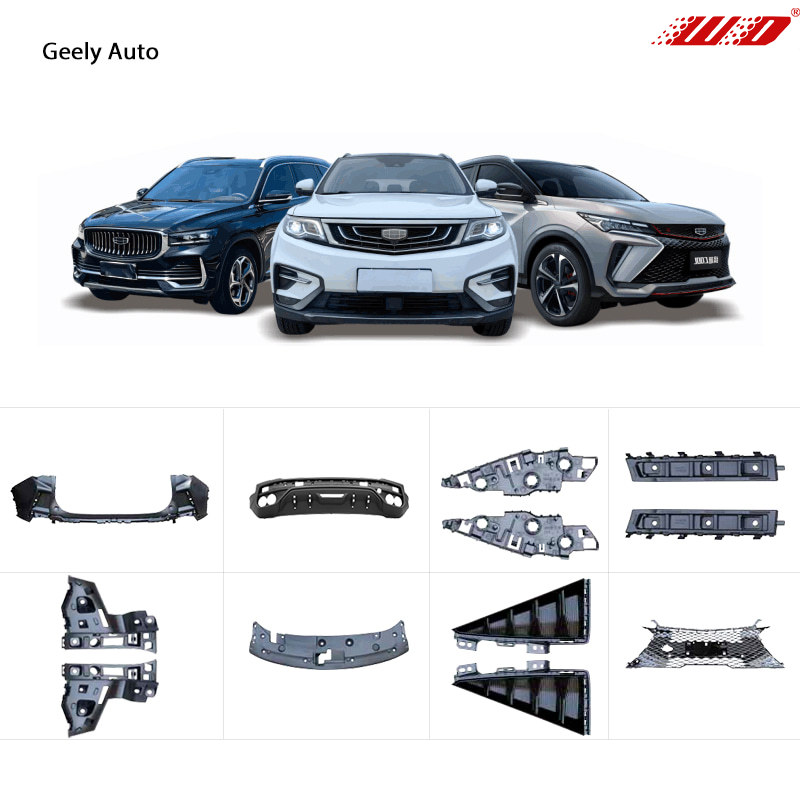
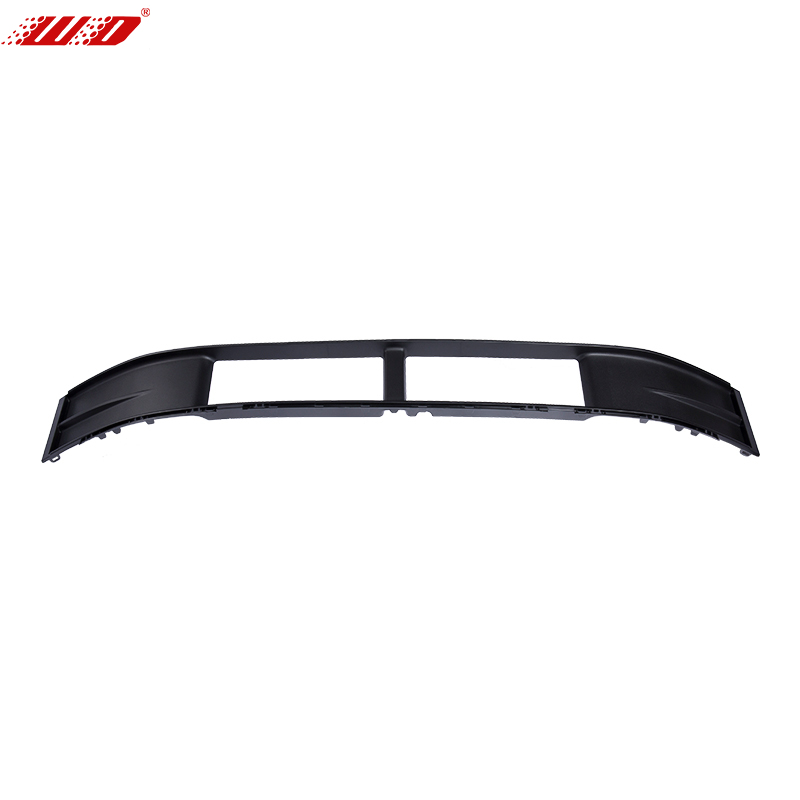
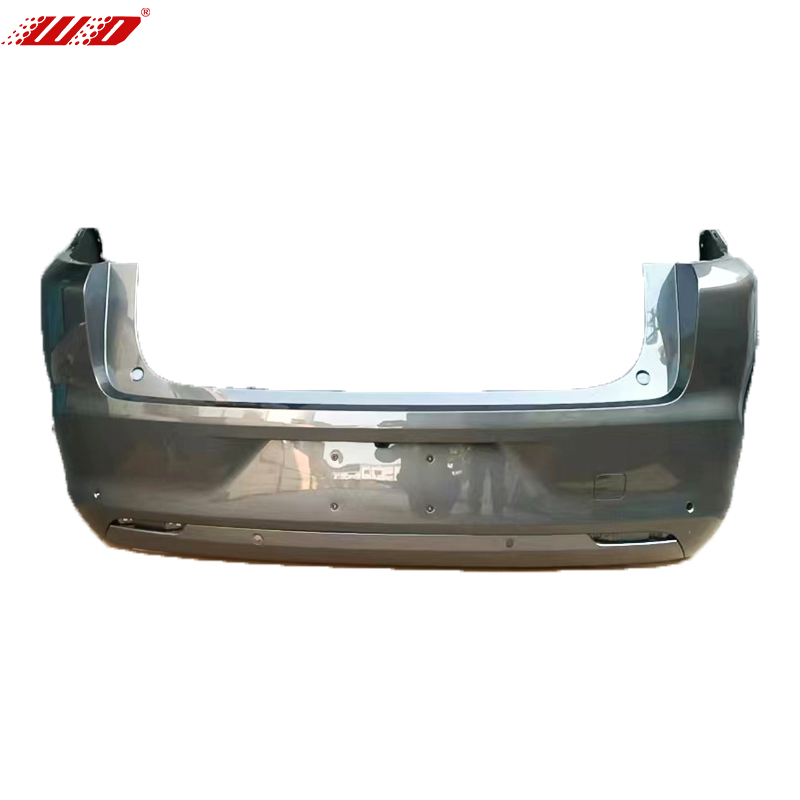
The front protection section of a modern vehicle is a layered system, not a single component. Working from the outermost surface inward, it typically consists of: the front bumper fascia (the visible plastic cover), the energy absorber (a foam or plastic crushable block), the bumper reinforcement beam (a structural member that spans the vehicle width), and the crash boxes or impact absorbers that connect the beam to the vehicle's longitudinal frame rails.
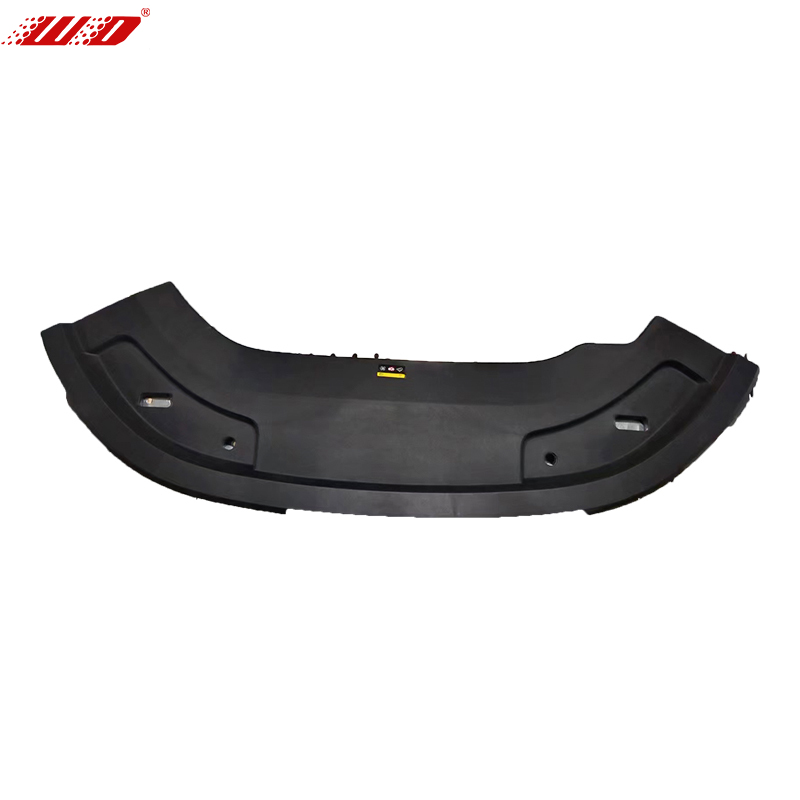
Each layer performs a different function. The fascia protects against minor abrasions and defines the vehicle's front aesthetic. The energy absorber — the cushioning block — is the critical safety component: it is engineered to deform progressively in a low-to-medium speed impact, converting kinetic energy into controlled structural deformation and reducing the peak force transmitted to the vehicle frame and its occupants. In higher-speed impacts, the bumper beam and crash boxes take over, channeling loads into the vehicle's main structure through a designed collapse sequence.
On new energy vehicles, this system carries an additional responsibility. The front protection architecture must shield the battery management system wiring, the front-mounted charging components on some models, the radar and camera sensors embedded in the grille and lower fascia, and the cooling system components located at the front of the vehicle. A poorly matched replacement energy absorber — wrong density, wrong geometry, wrong mounting interface — can leave these systems exposed after an impact that a correctly specified part would have managed safely.
How NEV Architecture Changes Front Protection Requirements
The transition from conventional powertrains to electric and hybrid drivetrains has changed what the front of a vehicle needs to protect. Traditional front-engine vehicles had the engine block itself acting as a barrier between the front structure and the passenger compartment. In front-trunk (frunk) EVs and hybrid models, that mass is replaced by a much lighter storage cavity — which means the front protection system bears more of the energy management burden in an impact.
Chinese new energy brands have also integrated significantly more sensor technology into the front fascia than legacy platforms. Zeekr models feature millimeter-wave radar and forward-facing camera systems mounted within or behind the front bumper assembly. Li Auto L-series vehicles integrate LiDAR and multiple ultrasonic sensors in the front zone. Each of these components has defined spatial relationships with the bumper structure — relationships that are broken if a non-OE-spec energy absorber is installed with incorrect depth, density, or mounting geometry.
The result is that front protection system parts for new energy vehicles are more model-specific, more rapidly updated, and more consequential if incorrectly matched than equivalent parts for conventional vehicles. The OE number, build year, and model variant all matter — and a supplier who understands this is a different kind of partner than one who simply stocks generic fitments.
The Role of Cushioning Material in Impact Performance
The energy absorber — commonly called the cushioning block or front impact foam — is the component where material specification directly determines safety outcome. Two main material systems are used in modern vehicle front protection systems:
Expanded Polypropylene (EPP) is the dominant material for high-performance applications. EPP can sustain multiple impacts while retaining its shape, making it effective in repeated low-speed scenarios (parking impacts, minor collisions). Its energy absorption is more consistent across a range of impact speeds, and it recovers partially after light loading, which matters for sensor protection in scenarios that do not trigger a full insurance claim.
Expanded Polystyrene (EPS) offers excellent compressive strength and predictable first-impact cushioning performance. It is cost-effective and well-suited to single-event energy absorption, but does not recover after significant deformation — meaning a part that has absorbed an impact needs replacement even if it appears intact externally.
On current Chinese NEV platforms, the front energy absorber geometry is tightly integrated with the bumper beam mounting and the sensor bracket architecture. The cushioning block is not a universal component: it is designed to specific density grades, wall thicknesses, and crush stroke distances calibrated to the vehicle's crash management targets. Using an aftermarket part with an approximate fit but incorrect material density changes the force-displacement curve of the front structure — potentially in ways that affect both occupant protection and pedestrian safety ratings.
Model-Specific Sourcing: Why It Matters for Fast-Iterating NEV Platforms
Chinese new energy brands update their models on cycles that are meaningfully faster than traditional automotive development timelines. A platform like the Zeekr 001 body system has seen structural and design changes between the 2021 and 2024 model years that affect front bumper fitment, energy absorber mounting points, and sensor bracket configurations. The Li Auto L-series, including the L7 body system, has similarly evolved front-end architecture across annual updates.
For a parts supplier serving export markets in Russia, Central Asia, and Eastern Europe — where these vehicles are increasingly popular — the ability to match by OE number and model year is essential. A buyer who receives a front energy absorber that fits last year's model but not this year's faces a reassembly problem at best and a safety issue at worst. The knowledge gap between a supplier who understands NEV platform iteration and one who does not is measured in returned orders, repair delays, and reputational damage.
Leapmotor and Voyah front protection components present similar matching challenges, particularly for the Voyah Dreamer MPV where the front fascia and energy absorber are integrated with the vehicle's active grille and thermal management inlet system — a configuration that differs significantly from conventional bumper assemblies.
Selecting a Reliable Front Protection Parts Supplier for NEV Models
For procurement teams and workshop operators sourcing front protection system components for new energy vehicles, several criteria distinguish reliable suppliers from high-risk ones:
- OE number accuracy: The supplier should be able to verify the correct OE part number against the vehicle's VIN or build specification, not simply match by model name. Build year and specification variant both affect the correct part number for front protection components.
- Material and specification transparency: For energy absorbers and cushioning blocks, the supplier should be able to confirm material grade (EPP vs EPS), density specification, and dimensional compliance with OE standards. Generic descriptions like "high-quality foam" without specification data are a red flag.
- Platform-specific inventory depth: A supplier maintaining inventory across multiple model years and trim levels of a given platform can fulfill orders accurately. A supplier with only partial coverage forces guesswork on compatibility.
- After-sales technical support: When fitment questions arise — particularly for cross-border orders where physical inspection is not possible — the ability to access technical data quickly and accurately determines whether a problem is resolved before or after parts are shipped.
Hangzhou Lizhong Shengteng Automotive Parts maintains a product catalog spanning body systems, chassis systems, and electrical systems for the major Chinese NEV platforms, with technical staff able to support OE number matching, compatibility verification, and customer inquiries across its international markets. For front protection section components and cushioning parts across the Zeekr, Li Auto, Leapmotor, and Voyah model ranges, visit www.partslz.com or contact the foreign trade team directly for sourcing assistance.