 English
 русский
 Español
An insurance estimator hands you a repair sheet that lists a "CAPA certified" front bumper cover, and suddenly the final price drops by a third compared with the original part. If you repair cars for a living — or you are simply paying the bill — you want to know whether that label means the part is genuinely as good as the one the factory installed. In most cases it does, but only if you understand what the certification actually covers.
Here is the short version: CAPA certified means a part has been independently tested by the Certified Automotive Parts Association and meets published quality standards for fit, finish, material, and structural performance. Insurers accept it, shops install it with more confidence than an unbranded alternative, and buyers get a defensible replacement at a fraction of the dealer price. The certification only applies to specific part categories and vehicle lines, however, and the gap between certified and non-certified parts is wider than most people think.
Key takeaway: CAPA certification is an independent, test-based quality mark for aftermarket collision parts. It is not a brand, a warranty, or a blanket guarantee for every part on every car. It matters most when an insurance company, a state regulation, or a shop policy requires documented quality.
Content
- 1 How CAPA Certification Works: Standards, Testing, and Audits
- 2 CAPA vs. OEM vs. Non-CAPA: What the Differences Actually Are
- 3 Hidden Metrics: What Test Data Reveals Beyond the Price Tag
- 4 Where CAPA Certification Appears Most in Collision Repair
- 5 How to Verify CAPA-Certified and Original-Grade Parts
- 6 Insurance Compliance and Post-Installation Checks
How CAPA Certification Works: Standards, Testing, and Audits
CAPA was created in the United States to resolve a long-running collision-repair argument: insurers wanted affordable aftermarket parts, shops wanted parts that fit the first time, and owners wanted replacements that performed like the originals. CAPA's answer was to write objective standards — most now accredited by ANSI — and then test actual production samples against them. If a part passes, the factory that built it is inspected and the part is licensed to carry the CAPA seal.
What CAPA actually tests
- Dimensions and fit: critical mounting points, panel gaps, and locating features are measured against the original part's specifications.
- Material and finish: substrate thickness, coating adhesion, and corrosion resistance are verified under laboratory conditions.
- Structural performance: bumper systems, hoods, and lamps are tested for impact resistance, retention, and — for lighting — beam pattern and output.
- Production consistency: certification is tied to a specific factory and is re-audited through periodic sampling, so the part you buy today should match the sample that passed.
Body panels — CAPA 101 / CAPA 201
Steel and plastic panels such as hoods, fenders, and quarter panels get dimensional and corrosion checks.
Lighting — CAPA 301
Headlamps and tailamps are tested for output, aiming, moisture intrusion, and vibration resistance.
Bumpers — CAPA 501
Bumper covers, reinforcement beams, and associated parts must stay attached and absorb energy properly in impact tests.
Mirrors, cameras, sensors — CAPA 701–703
Side mirrors, backup cameras, and parking sensors are checked for fit and function, including fields of view.
Notice what this list does not include: engine internals, brake hydraulics, and suspension arms are generally outside CAPA's scope. The program focuses on collision-repair body panels, plastics, lighting, mirrors, and cooling parts — exactly the parts insurance estimators order most often.
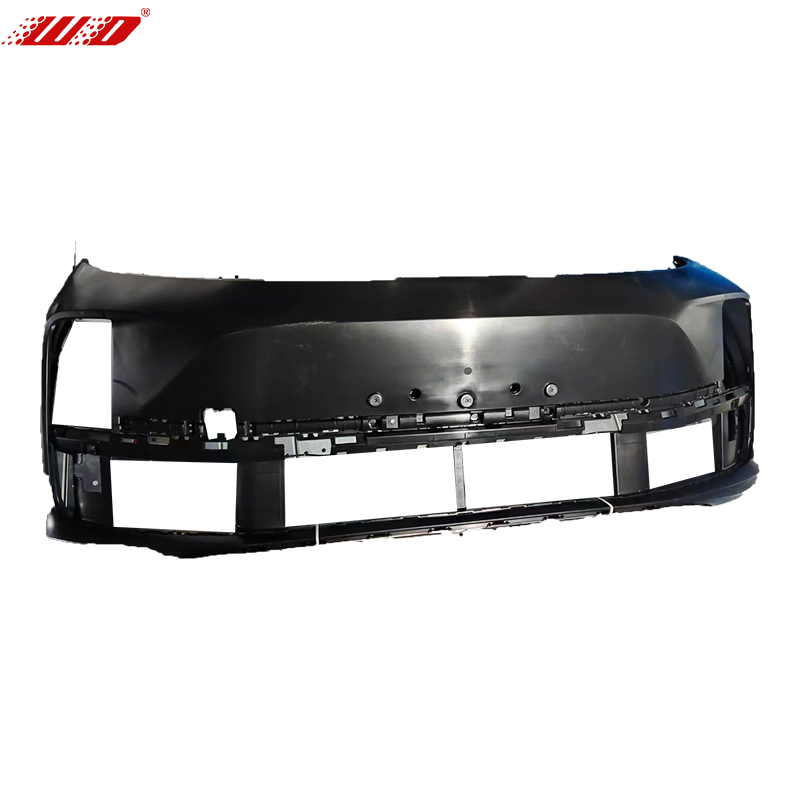 Li Auto L7 Front Bumper with Original Part Number X03-28030020This front bumper carries the factory part number, letting you verify fitment against the VIN and build configuration before painting—useful for newer EVs without a CAPA program.View Product →
When a vehicle has no active CAPA program — which is still the case for many newer electric models — traceability becomes the substitute. A front bumper that carries the factory's original part number, such as the Li Auto L7 front bumper in our catalog, can be checked against the VIN and build configuration before it reaches the paint booth.
CAPA vs. OEM vs. Non-CAPA: What the Differences Actually Are
Once you know what certification is, the practical question is choice. The three-way comparison below holds up across markets, with prices shown as a percentage of the OEM part price because absolute numbers vary by part and vehicle.
The 10 to 20 point price gap between CAPA and non-certified parts is the part that confuses buyers. You are not paying for a brand name; you are paying for engineering verification that the part will fit on the first attempt. Shops that install non-certified covers often spend that saving on cutting, filling, aligning, and repainting a panel that was cheap for a reason. For an independent look at what your money buys in each category, see our guide to OEM vs. aftermarket certifications and pricing.
Hidden Metrics: What Test Data Reveals Beyond the Price Tag
A certified part's advantage is not visible on the surface. Behind the scenes, dimensional gauges check locator pins, salt-spray chambers test corrosion resistance, and lamp goniometers measure beam pattern. If you strip away the marketing, the cost data usually clusters around the pattern below.
Now translate those bars into workshop time. A qualified technician can typically fit a certified bumper cover in the same labor time as an OEM cover. A non-certified cover from an unknown source may need extra prep for sink marks, warped flanges, or misaligned headlamp pockets — labor that no one reimburses. Multiply that by forty repair orders a month and the cheap part stops being cheap.
Where CAPA Certification Appears Most in Collision Repair
Walk through any well-stocked body shop and the certified parts on the shelf will cluster in a handful of categories. Bumper work dominates because front and rear fascias are the most commonly damaged parts, with lighting close behind.
- Bumpers and fascias — 35% — CAPA 501 covers covers, brackets, and reinforcement beams.
- Lighting — 25% — CAPA 301 headlamps and tailamps are heavily tested for output and sealing.
- Body panels — 20% — fenders, hoods, and deck lids under CAPA 101 and 201.
- Mirrors, cameras, sensors — 10% — CAPA 701 through 703.
- Radiators, condensers, other — 10% — CAPA 601 and 602 plus miscellaneous parts.
Lighting is a category where buyers should be especially careful with non-certified inventory. A knock-off headlamp may look identical in the box but fail moisture-sealing tests within months, or scatter low-beam light in a way that affects oncoming traffic. If your vehicle is a newer EV without an active CAPA program for its lamps, verify the original part number and side configuration.
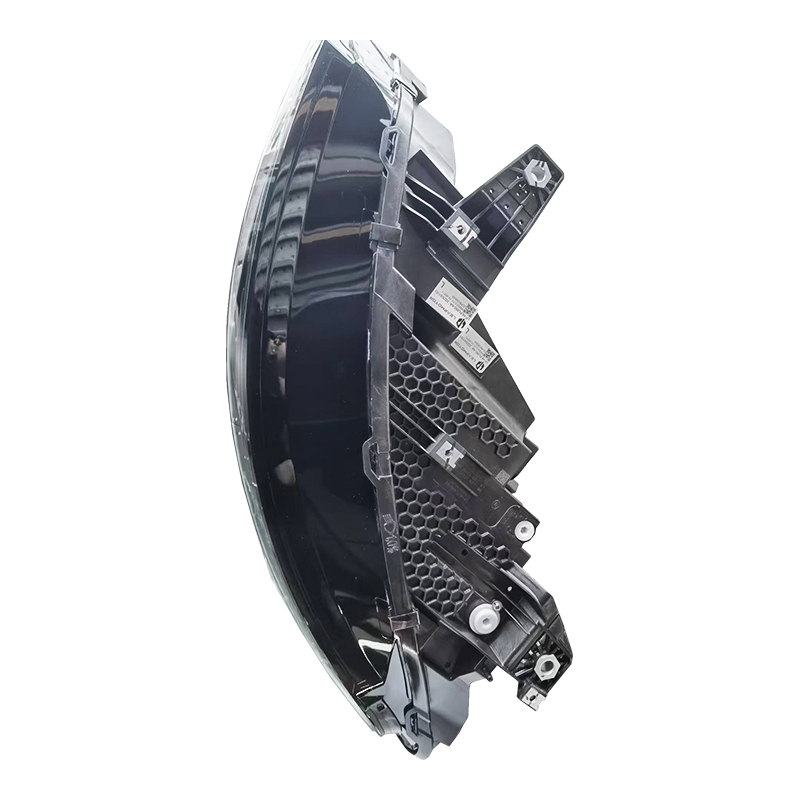 Leapmotor C10/C16 Left LED Headlamp Assembly 3.0.01.10.00211This OEM-grade left headlamp is listed with its OE-format number, so you can confirm the correct side and trim before buying, addressing moisture-sealing and beam-pattern concerns for non-certified lighting.View Product →
A Leapmotor C10/C16 left headlamp, for example, is listed with its OE-format number so you can confirm fitment for the correct side and trim before purchasing. That kind of verification is the practical equivalent of certification when no CAPA standard exists.
How to Verify CAPA-Certified and Original-Grade Parts
Certification is easy to misunderstand and even easier to fake. Here is a sequence that works for both a modest bumper cover and an expensive headlamp assembly.
- Check the part for the CAPA seal and license number. The seal should appear on the part or its packaging together with a number you can look up.
- Search the CAPA online database. Enter the manufacturer and part number; the record shows the test standard, the status date, and whether certification is active or suspended.
- When CAPA does not cover your vehicle, verify the OE number. Compare the casting or sticker on the part with the VIN and the factory parts catalog. Check the model year and configuration suffix, such as "high configuration" or "2023", because one part number rarely covers every version of a vehicle.
- Request batch details and photos. A reputable supplier can show the exact OE-style number, the left or right orientation, and any packaging markings before you commit.
- Keep the label and invoice. Insurance adjusters and future owners will ask where the part came from; proper documentation protects your claim and the vehicle's history.
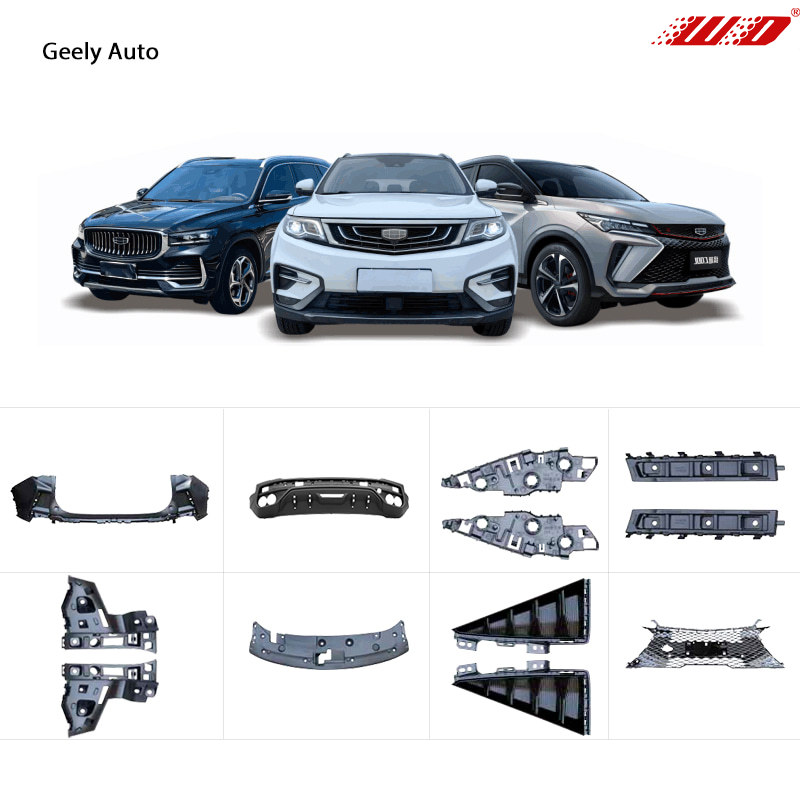 Front Bumper Upper Section for 2023 Geely Coolray, Part 6010208600This upper bumper section for the 2023 Geely SX11 must match contours, fog lamp openings, and sensor layout. The explicit part number and description give a checkable reference for sourcing without CAPA standards.View Product →
Consider a 2023-model Coolray front bumper upper section: it must match the vehicle's bumper contour, fog lamp openings, and sensor layout. The original part number and the explicit "upper part" description give you a checkable reference even though no CAPA standard exists for this vehicle line. When you are ready to source, browse our catalog by brand and vehicle system to compare part numbers before requesting a quote.
Insurance Compliance and Post-Installation Checks
CAPA's role in the insurance system is often misunderstood. The certification itself is not a legal requirement in every state, but it is a convenient way for insurers to show that an aftermarket part meets a defensible quality standard. In states with laws on aftermarket crash parts, the insurer usually has to disclose the use of non-OEM parts and warrant them for as long as the vehicle is owned.
What to watch after installation
- Check panel gaps and fastener alignment before painting. A certified part should need no filing, filling, or bending.
- Test lighting output and moisture seals after installing lamps. Condensation in the first week points to a seal failure.
- Keep the CAPA or OE part number in the invoice. If the part fails later, the claim trail proves what was installed.
- Know the warranty path. For certified parts, both the part maker and the insurer may owe you coverage; document both contacts.
For vehicles outside CAPA's catalog — including many new-energy models from Chinese manufacturers — the same discipline applies. Verify original part numbers, confirm the model year and configuration, and use a supplier that labels its products the way the factory does. Certification is one tool, but documented traceability is the one that stands up in a warranty dispute.