 English
 русский
 Español
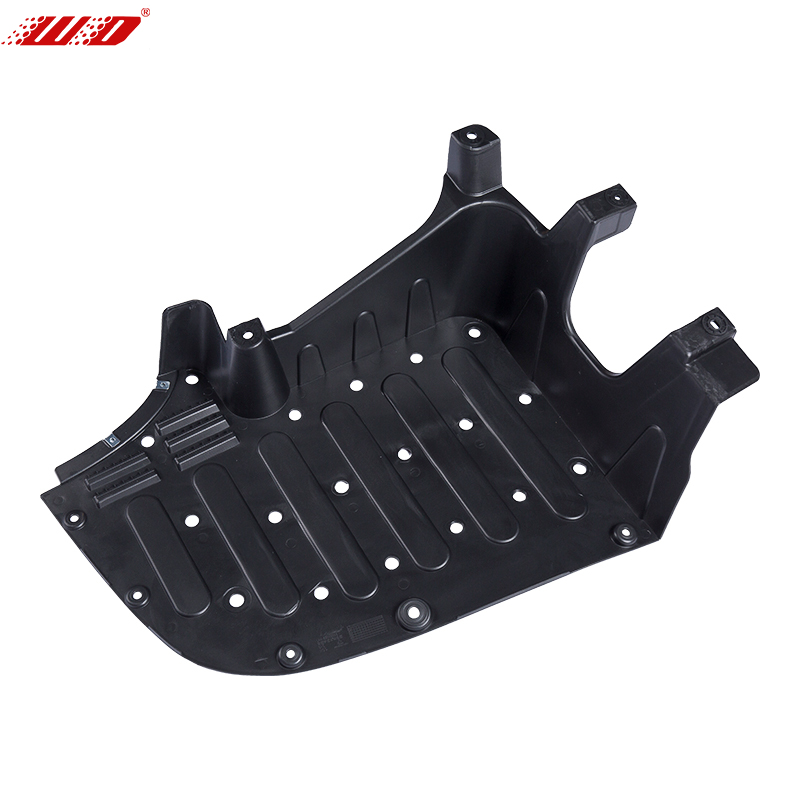
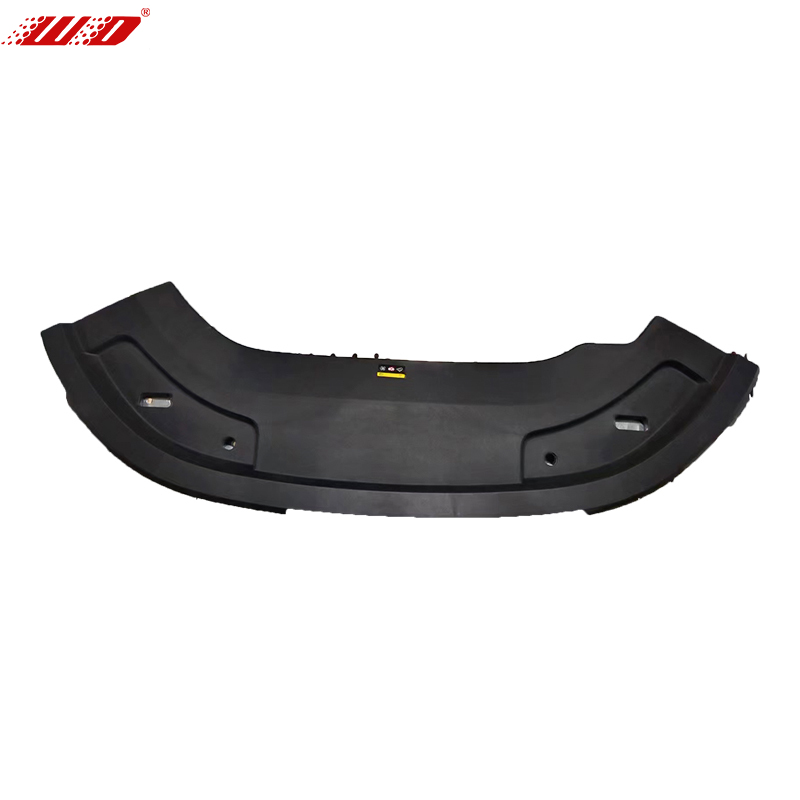
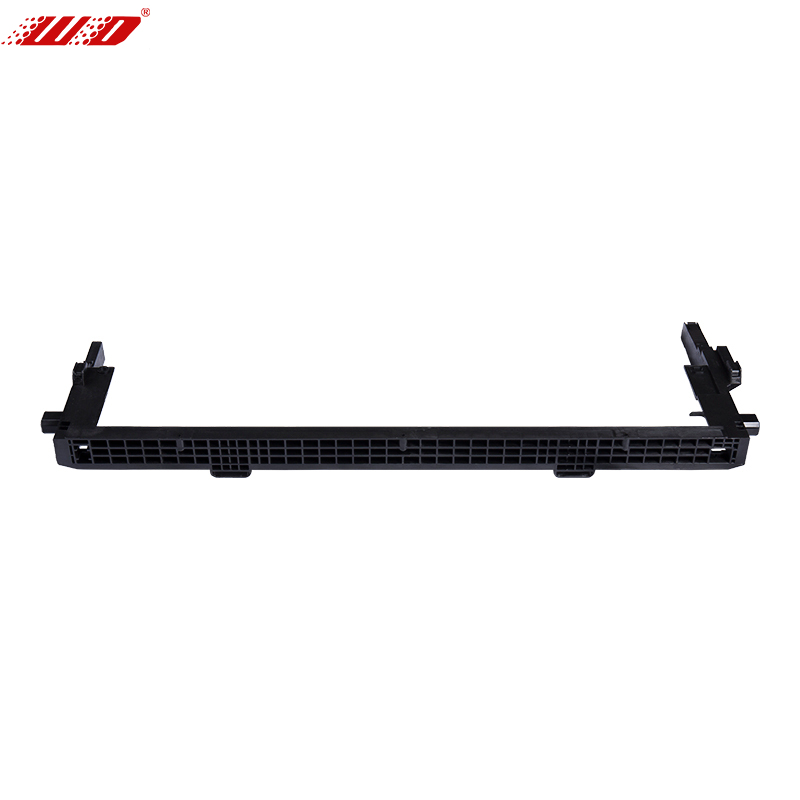
The primary function of a lower radiator support in a vehicle’s cooling system is to provide a strong, stable mounting base for the radiator and related components. It serves as both a structural and protective element, ensuring that the radiator maintains its correct position and alignment within the front-end assembly. Without a properly functioning lower radiator support, the radiator could shift, vibrate excessively, or become damaged due to the stress of road vibrations, engine movement, or minor impacts, which could ultimately affect the cooling performance of the vehicle.
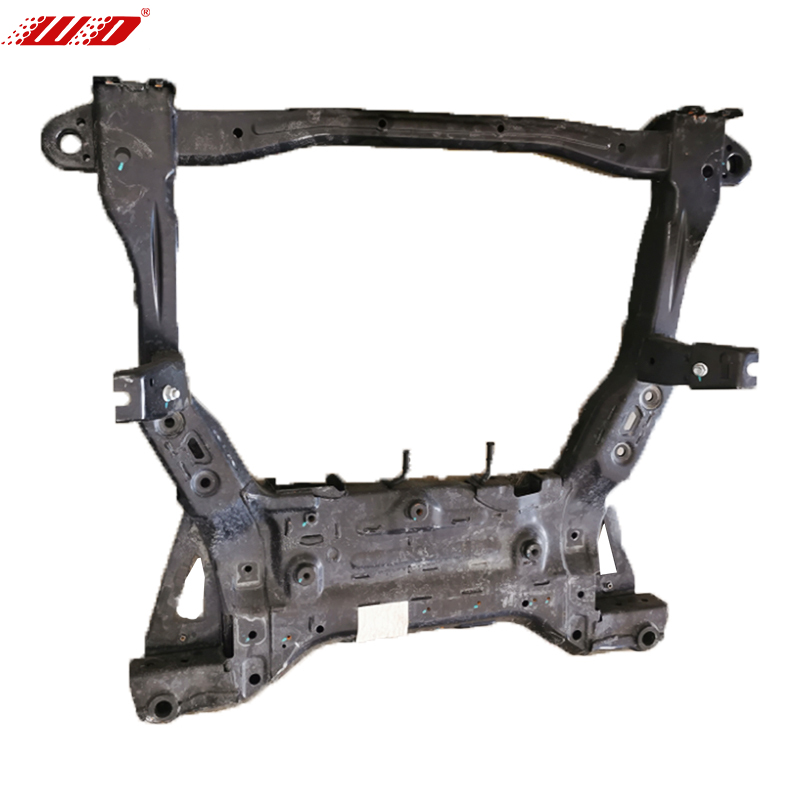
From an engineering standpoint, the lower radiator support acts as a crossmember that connects both sides of the vehicle’s front frame or subframe. This design not only helps hold the radiator in place but also contributes to the rigidity and alignment of other front-end components such as the condenser, fan shroud, and sometimes the bumper reinforcement. In many vehicles, especially those with compact engine bays, the lower radiator support is an integral part of the front structure, helping distribute loads and maintain proper spacing between the radiator and surrounding parts. This spacing is crucial for optimal airflow through the radiator core, which allows the cooling system to operate efficiently under different driving conditions.
Modern lower radiator supports are commonly made from materials such as high-strength steel, aluminum, or reinforced plastic composites. Steel versions are favored for their durability and impact resistance, making them suitable for heavy-duty or large vehicles. Aluminum offers a lighter alternative, which helps reduce vehicle weight and improve fuel efficiency without sacrificing too much structural strength. Plastic composite supports are increasingly used in modern passenger cars for corrosion resistance and manufacturing flexibility, although they may be less resistant to high-impact forces. The choice of material depends on the vehicle’s design requirements, cost considerations, and performance expectations.
In addition to structural support, the lower radiator support also plays a protective role. It helps absorb and dissipate minor impact forces from the front, shielding the radiator and condenser from direct damage. During a collision, the lower support may deform in a controlled manner to absorb energy, reducing the risk of fluid leaks or cooling system failure. This makes it a critical part of both the vehicle’s cooling efficiency and its safety performance.
Maintenance and inspection of the lower radiator support are important, particularly for vehicles exposed to harsh road conditions, winter salt, or off-road environments. Corrosion, cracking, or bending of the lower support can compromise the radiator’s alignment and lead to coolant leaks or reduced cooling performance. Mechanics often check this component when diagnosing overheating problems or front-end alignment issues. If damage is detected, timely replacement of the lower radiator support is necessary to restore structural integrity and proper cooling system function.
In aftermarket repair and customization, lower radiator supports are available as direct-fit replacements or performance upgrades. Replacement parts must match the vehicle’s original specifications to ensure accurate fitment and maintain the designed cooling airflow path. Some upgraded versions may offer enhanced materials or reinforced designs for better durability, especially in vehicles used for racing, off-road driving, or heavy-duty applications.
Overall, the lower radiator support is far more than just a mounting bracket—it is a critical structural component that maintains the geometry and efficiency of the vehicle’s cooling system. By keeping the radiator securely in place and aligned with the airflow path, it helps the engine maintain optimal temperature, prevents overheating, and contributes to the longevity of both the radiator and surrounding parts. Proper design, material selection, and maintenance of the lower radiator support are therefore essential to the reliability and performance of any modern vehicle.